Seasons in the Hardangerfjord
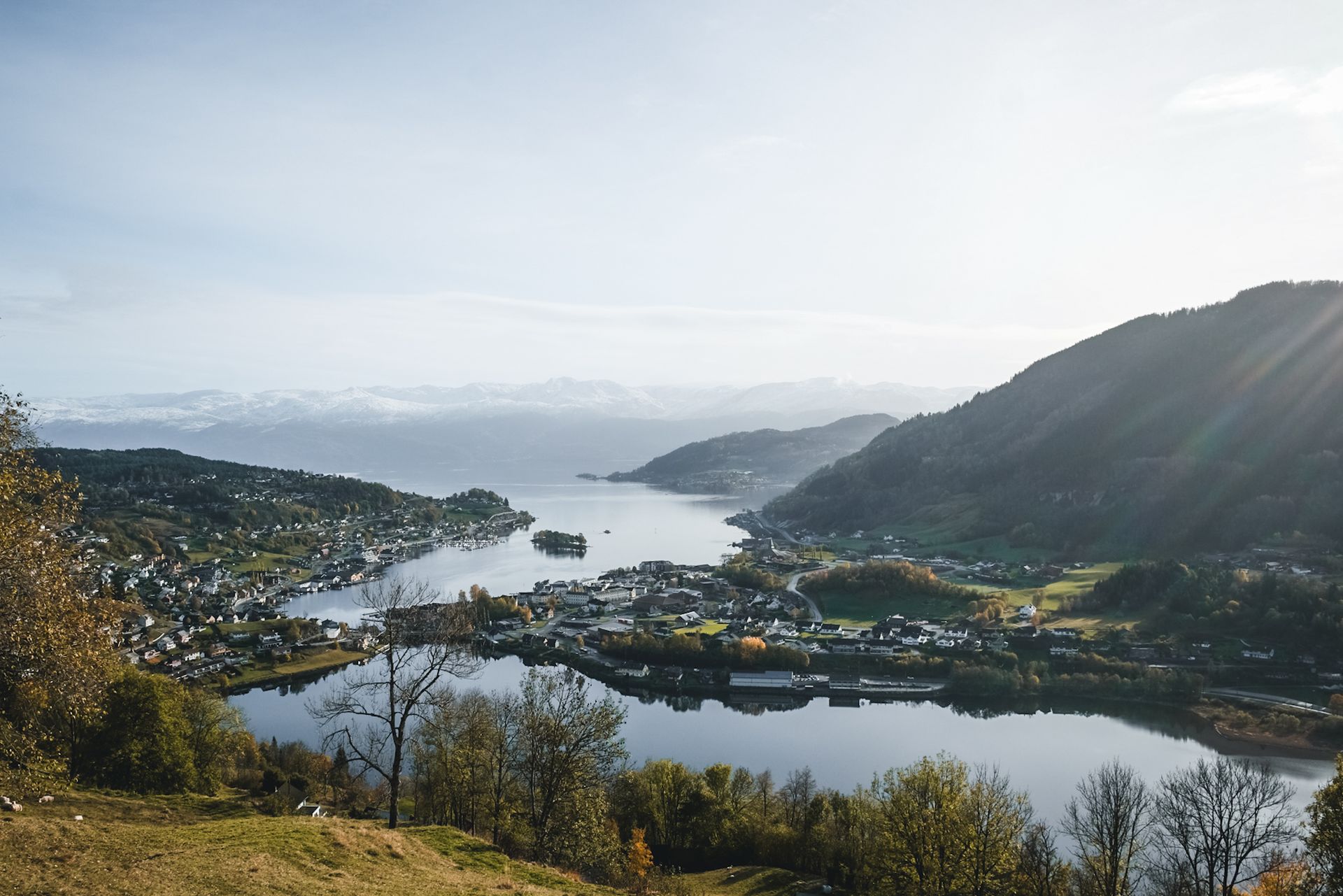
Every season brings its own kind of magic to the Hardangerfjord. From lush summer landscapes and endless daylight to serene winter fjords framed by snowy peaks, the scenery and experiences change dramatically throughout the year.
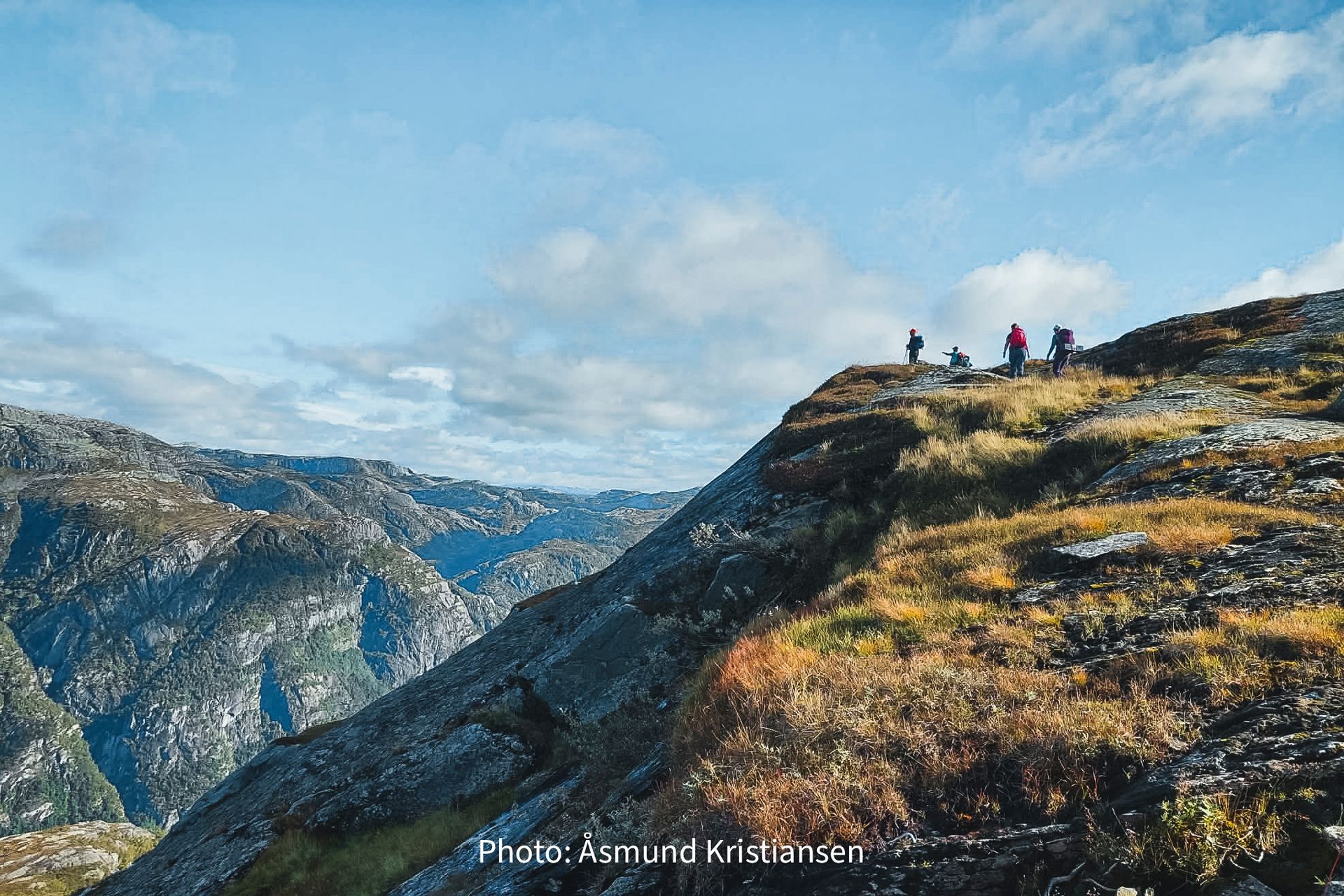
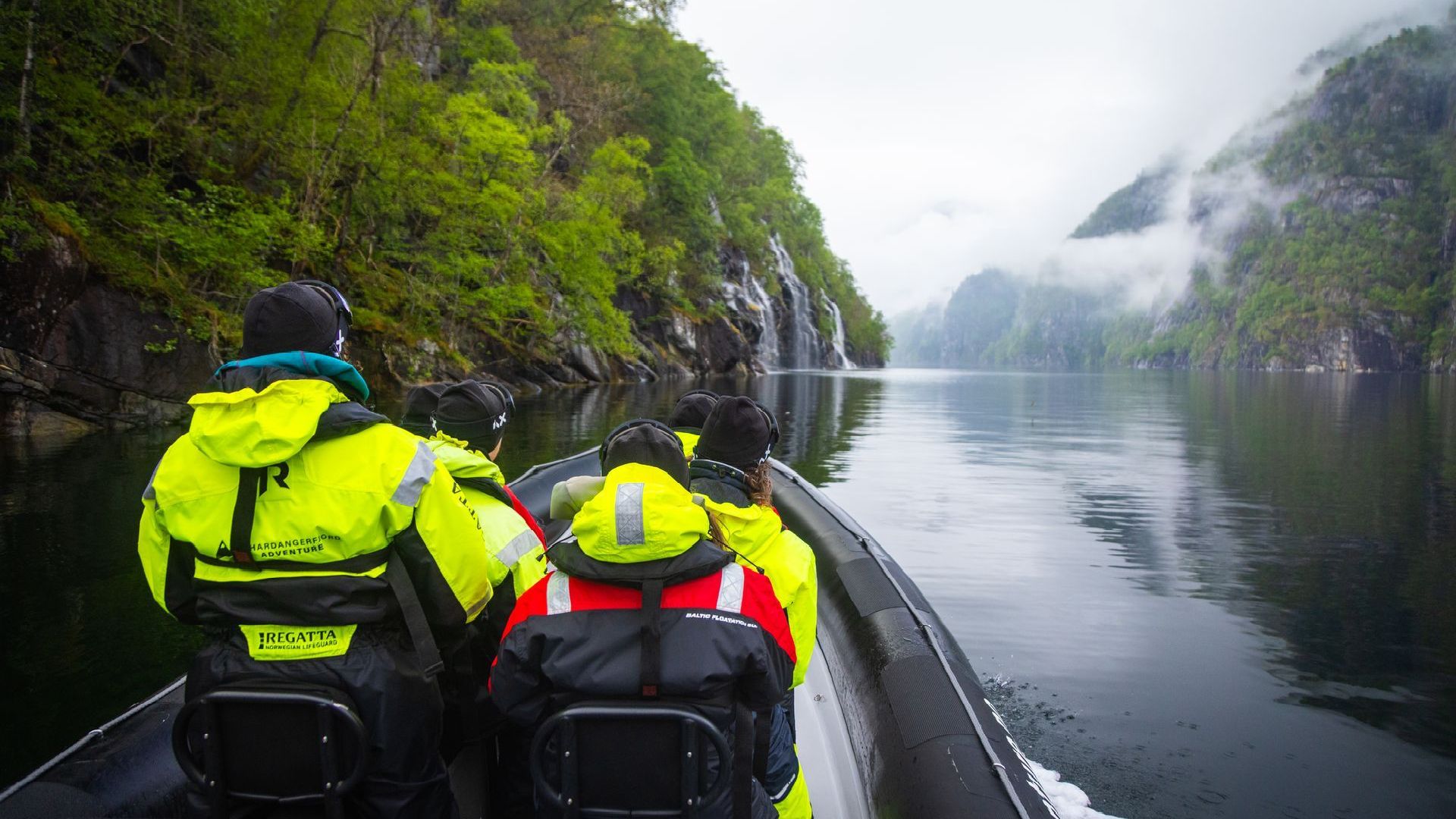
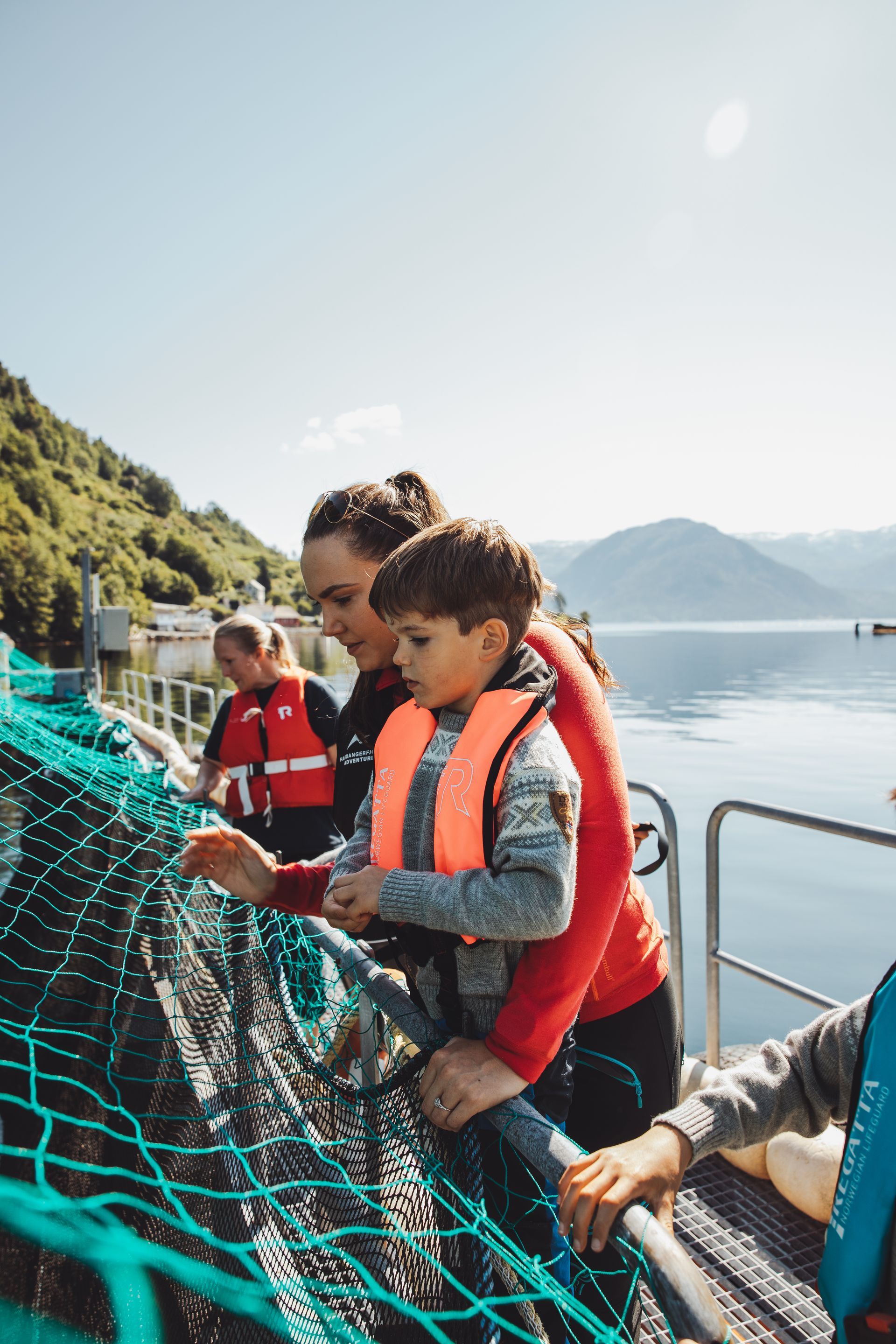
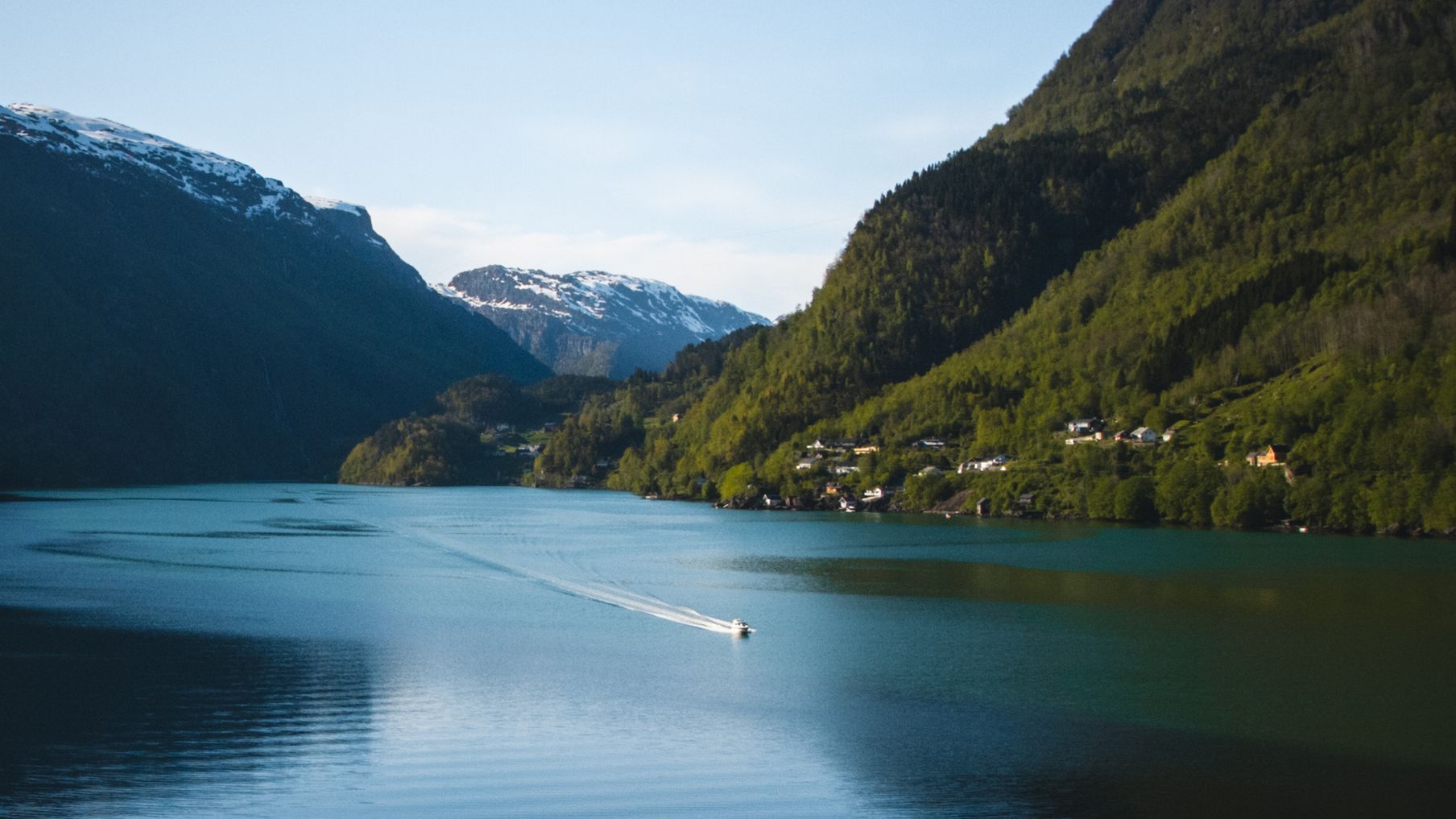
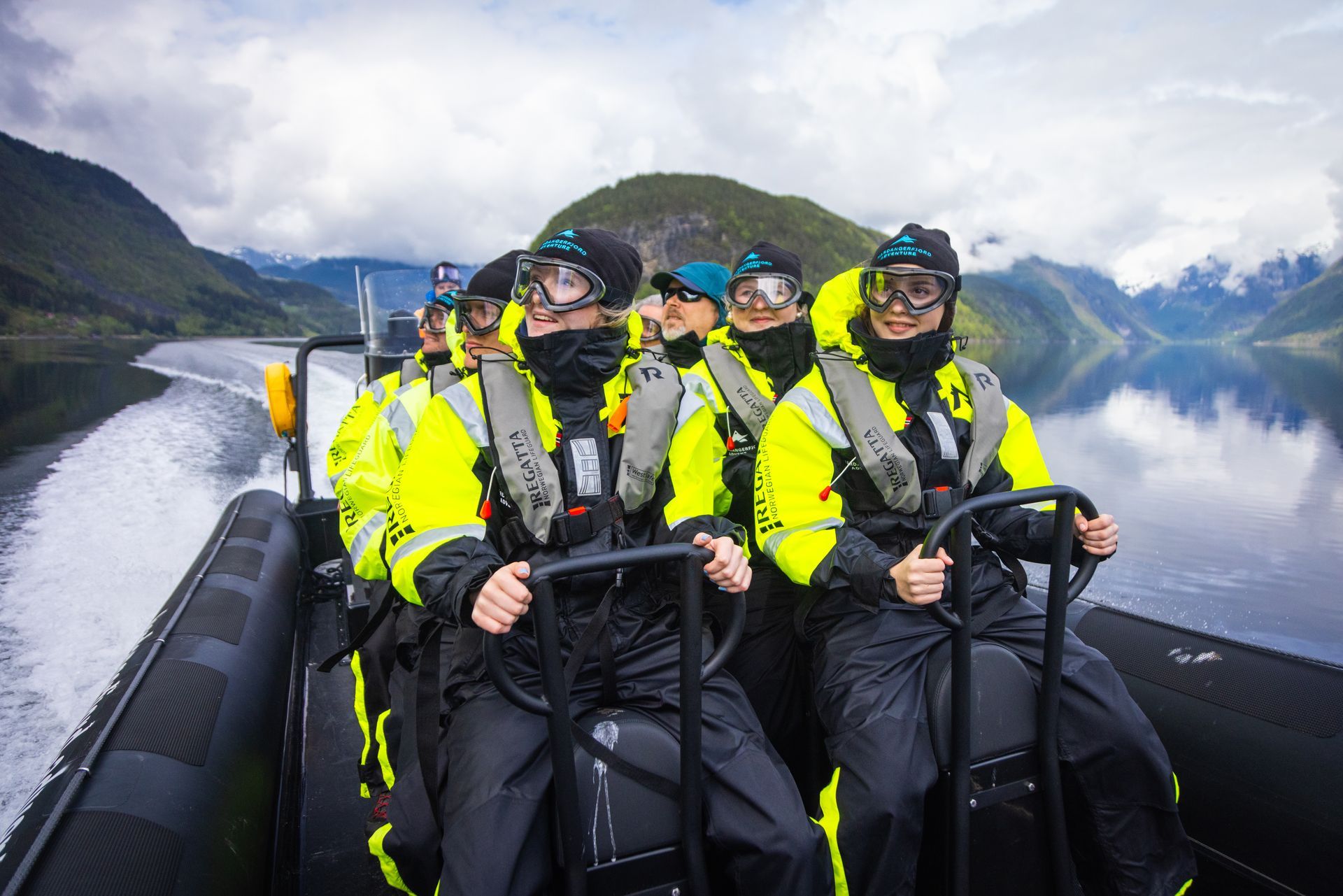
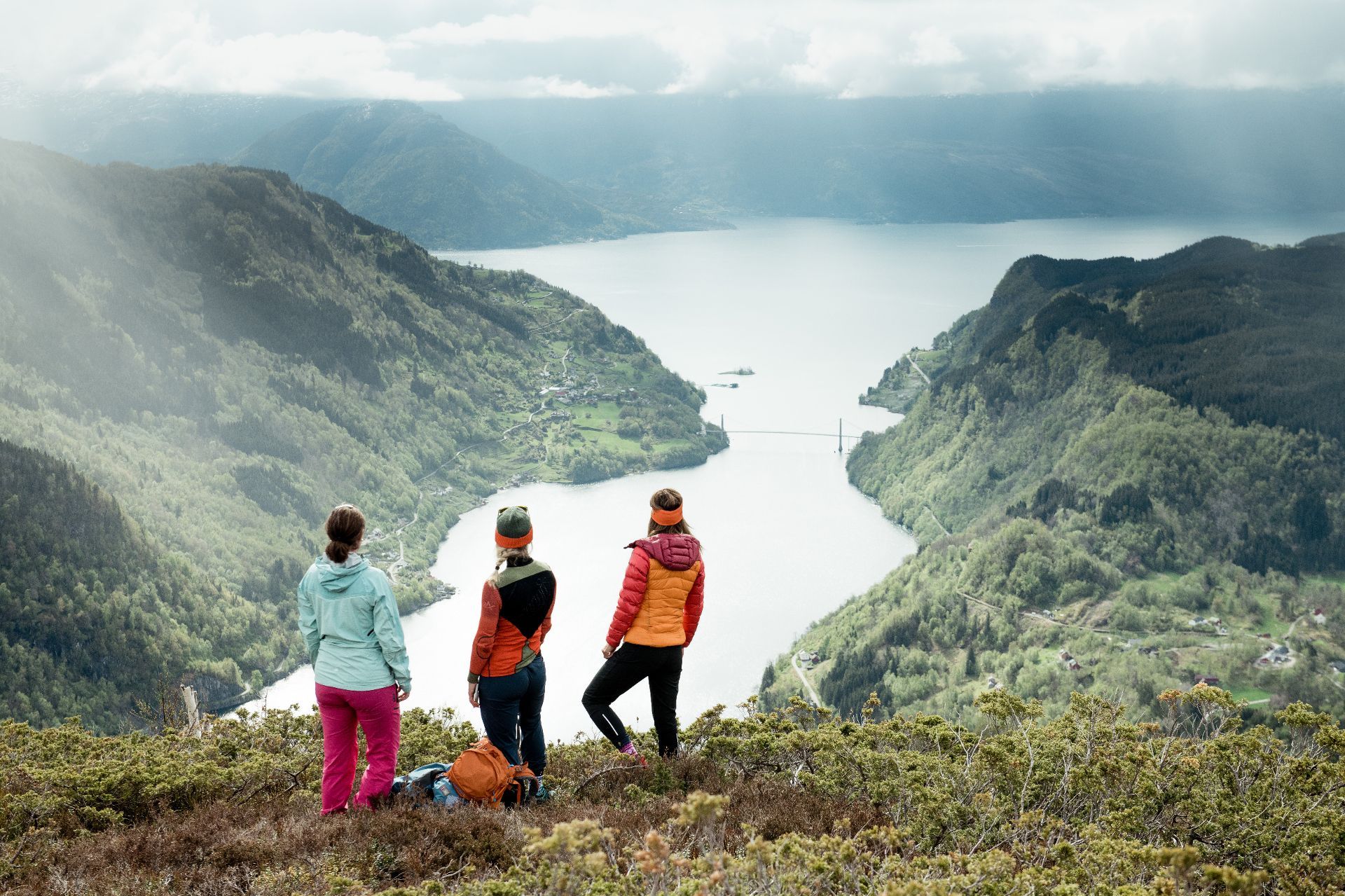
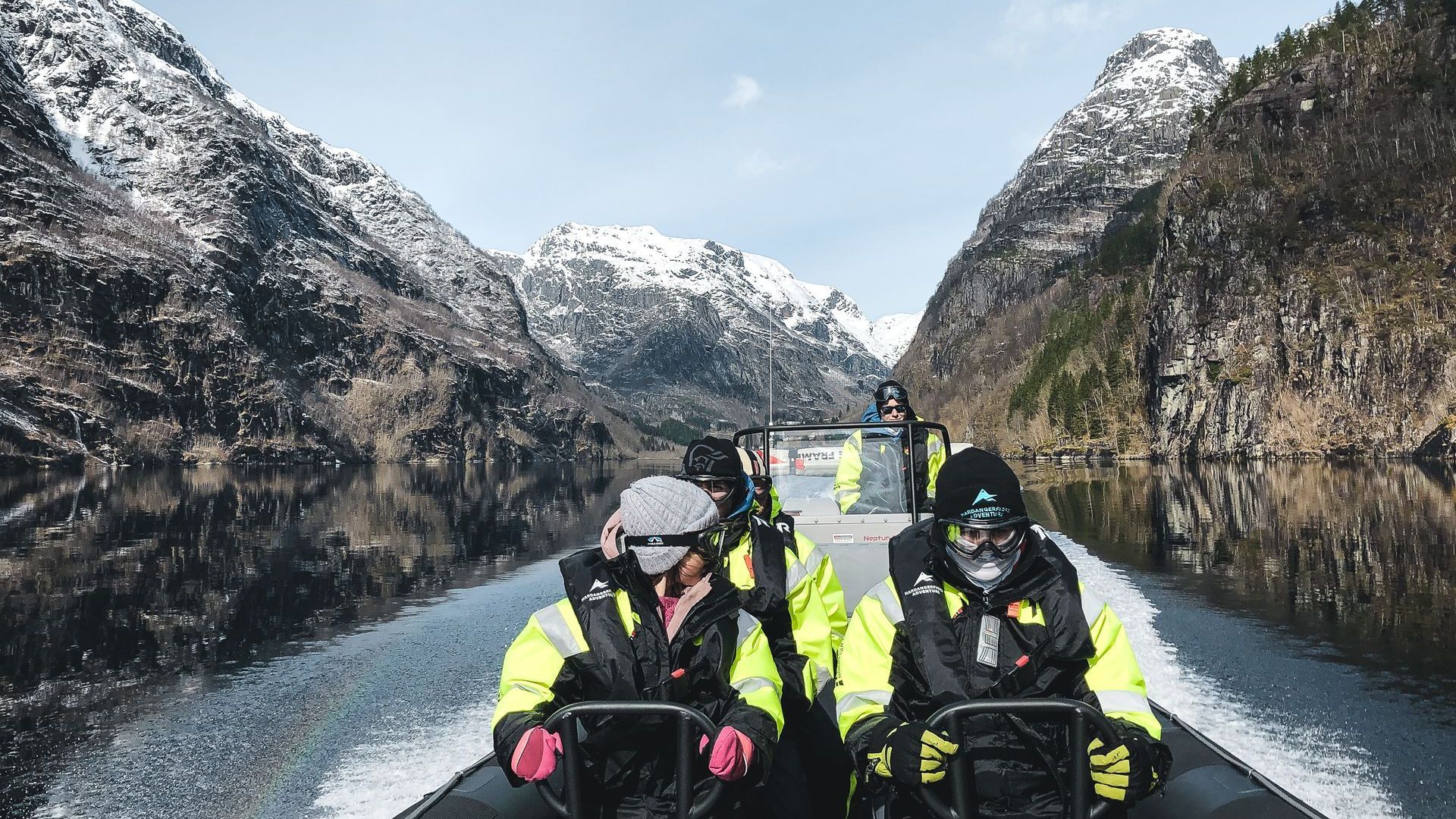
Whether you imagine exploring crystal waters on a high-speed RIB boat, hiking hidden viewpoints, or drifting peacefully in the fjord, we tailor experiences to the best of each season and weather condition.
The Hardangerfjord is alive all year.
In
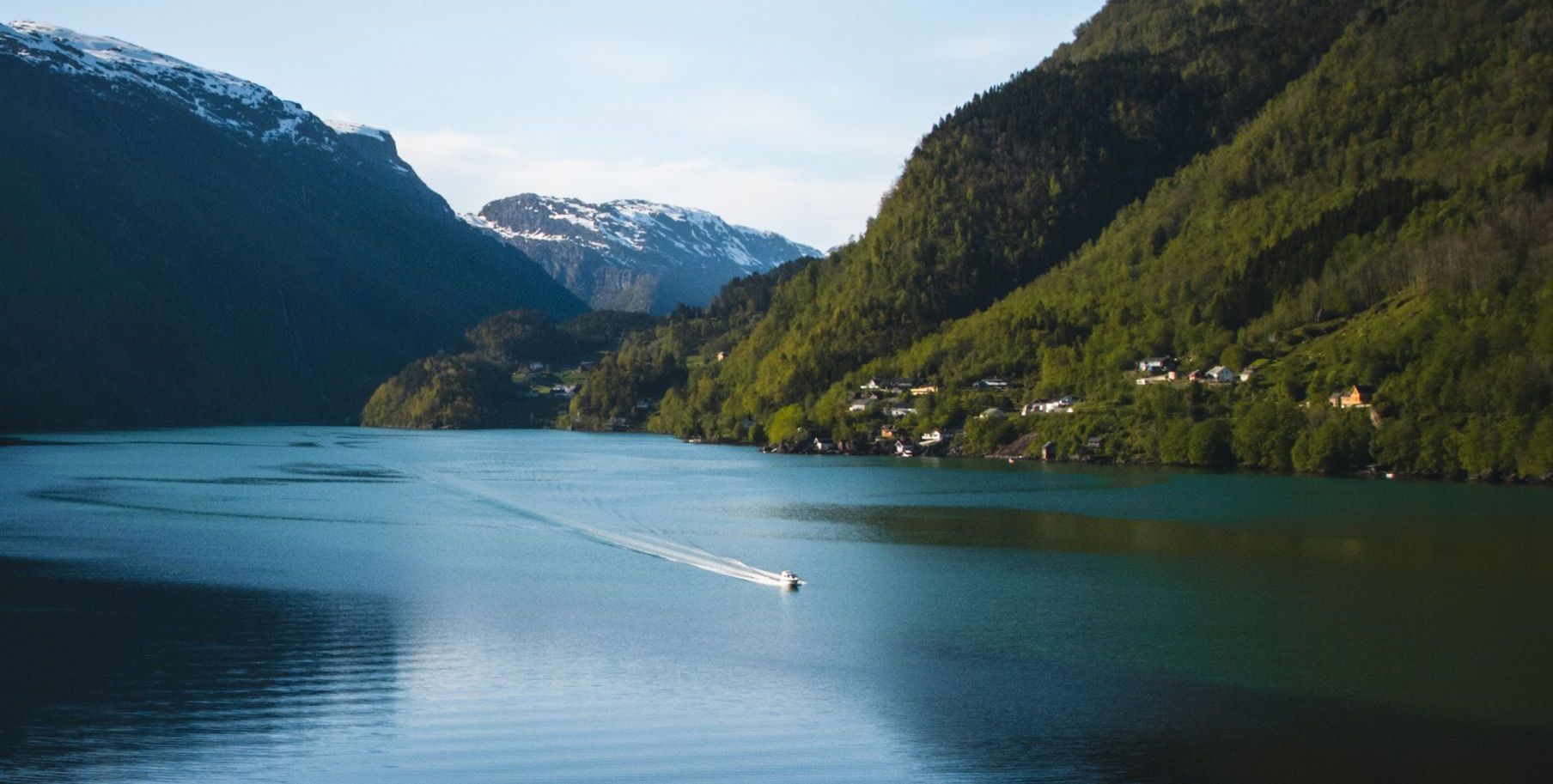
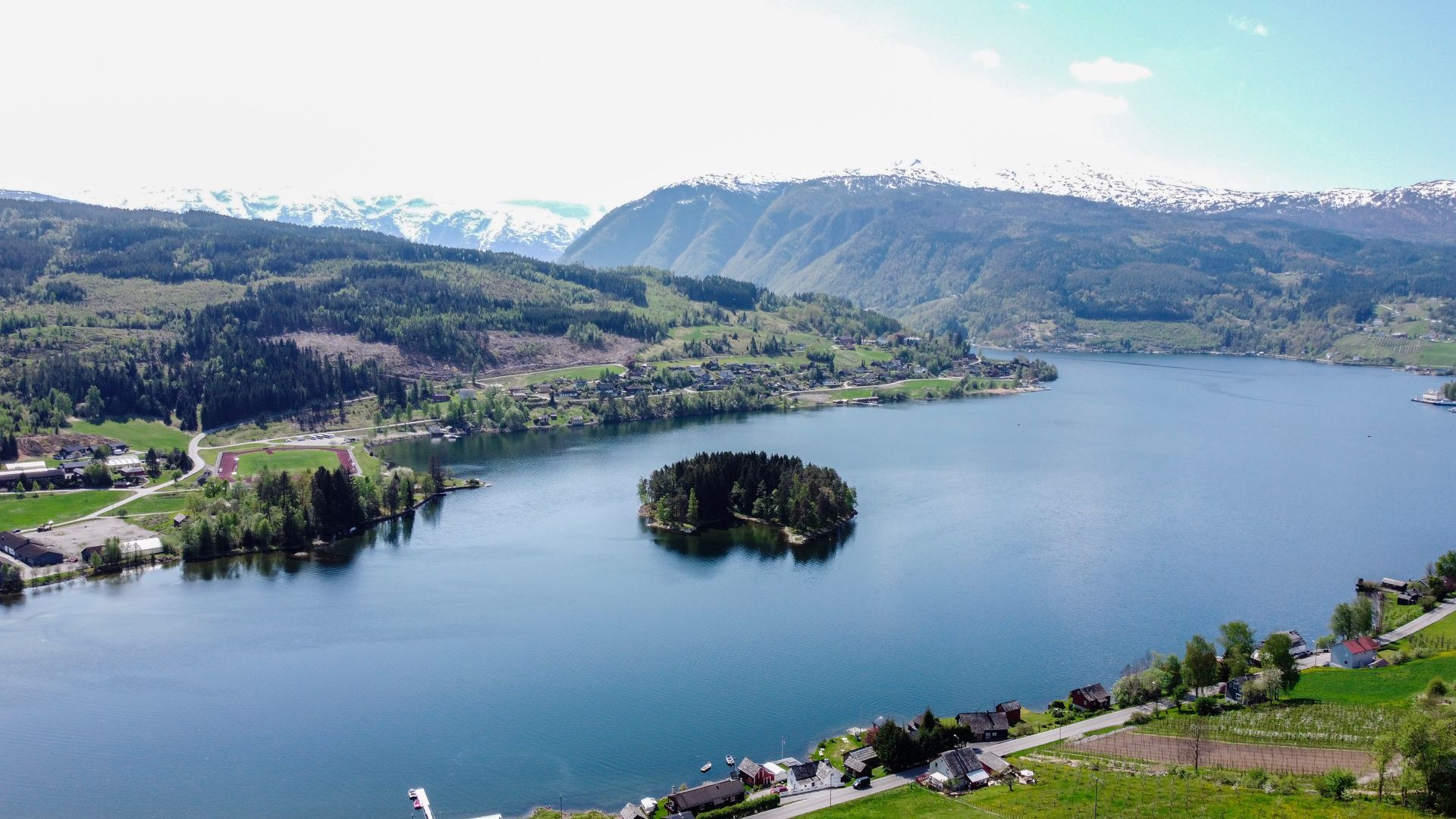
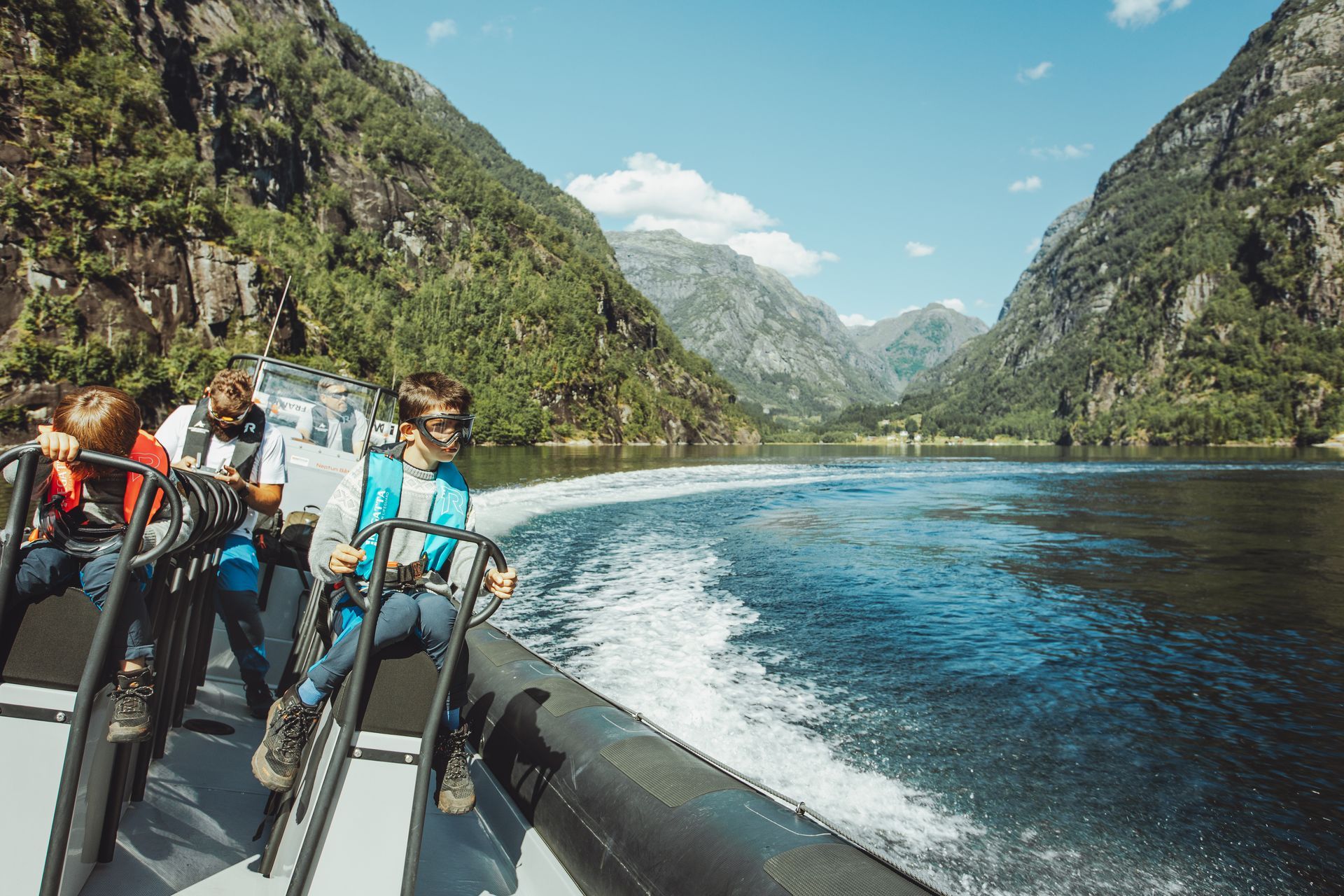
summer, verdant mountains rise above calm waters and long days invite adventure and exploration.
In
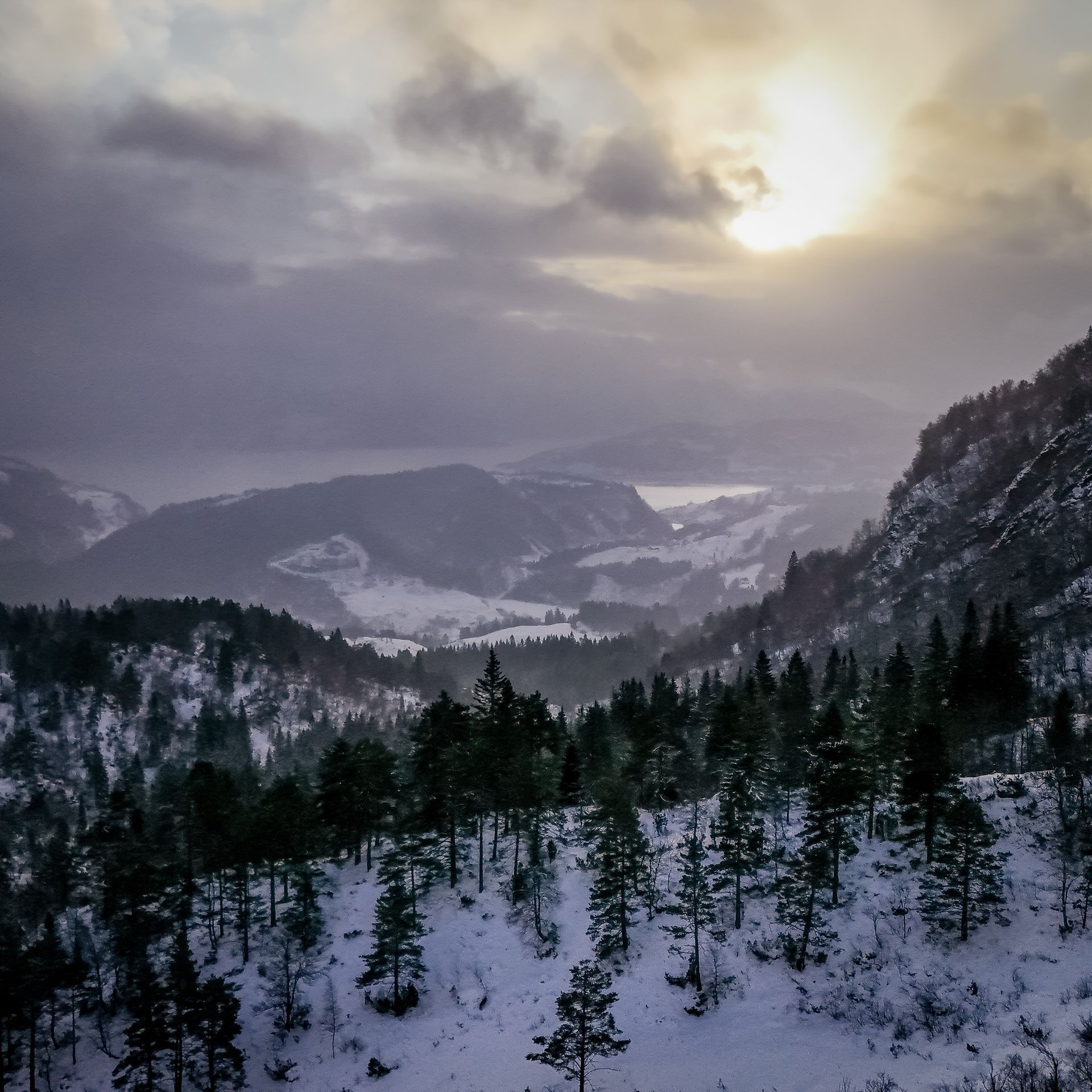
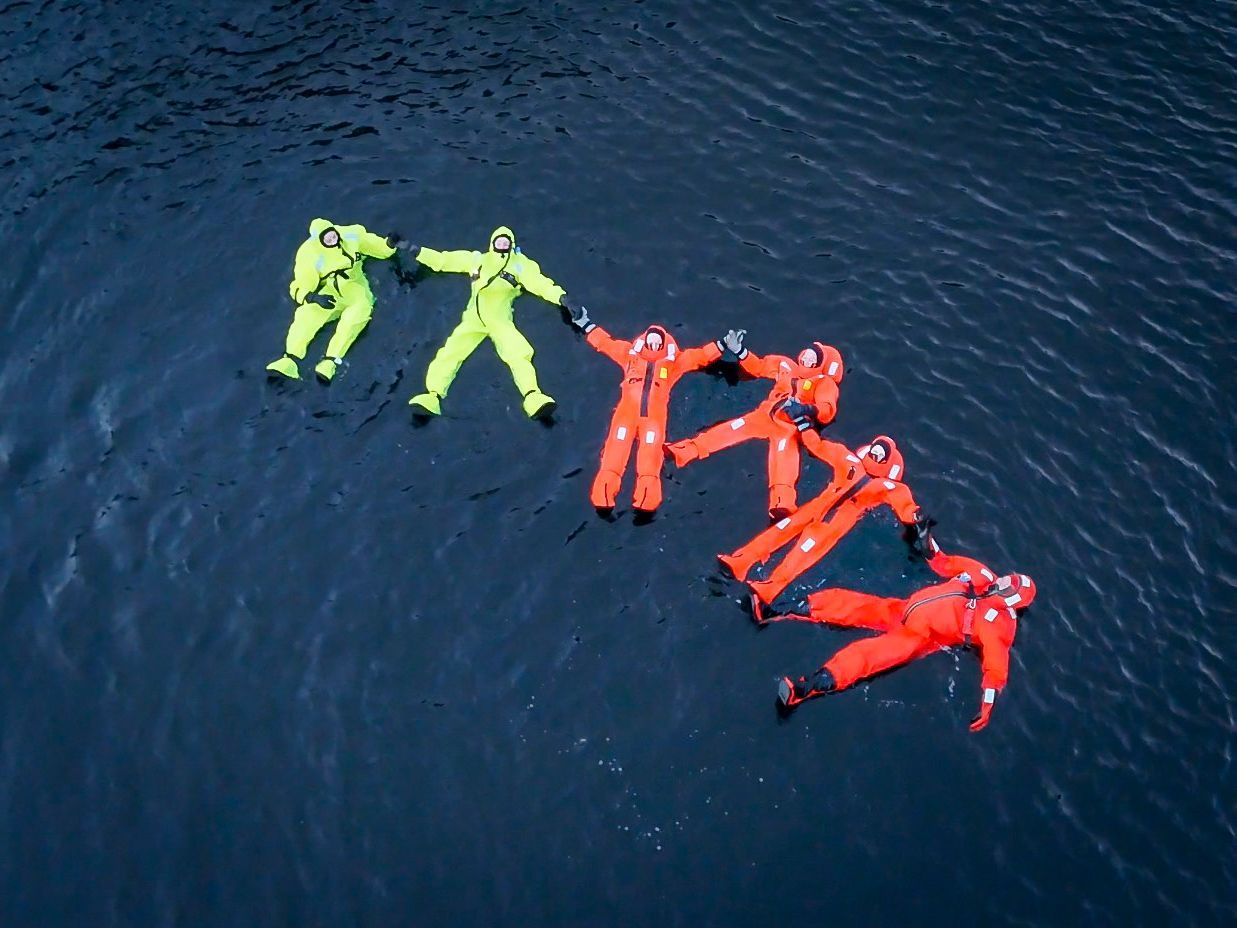
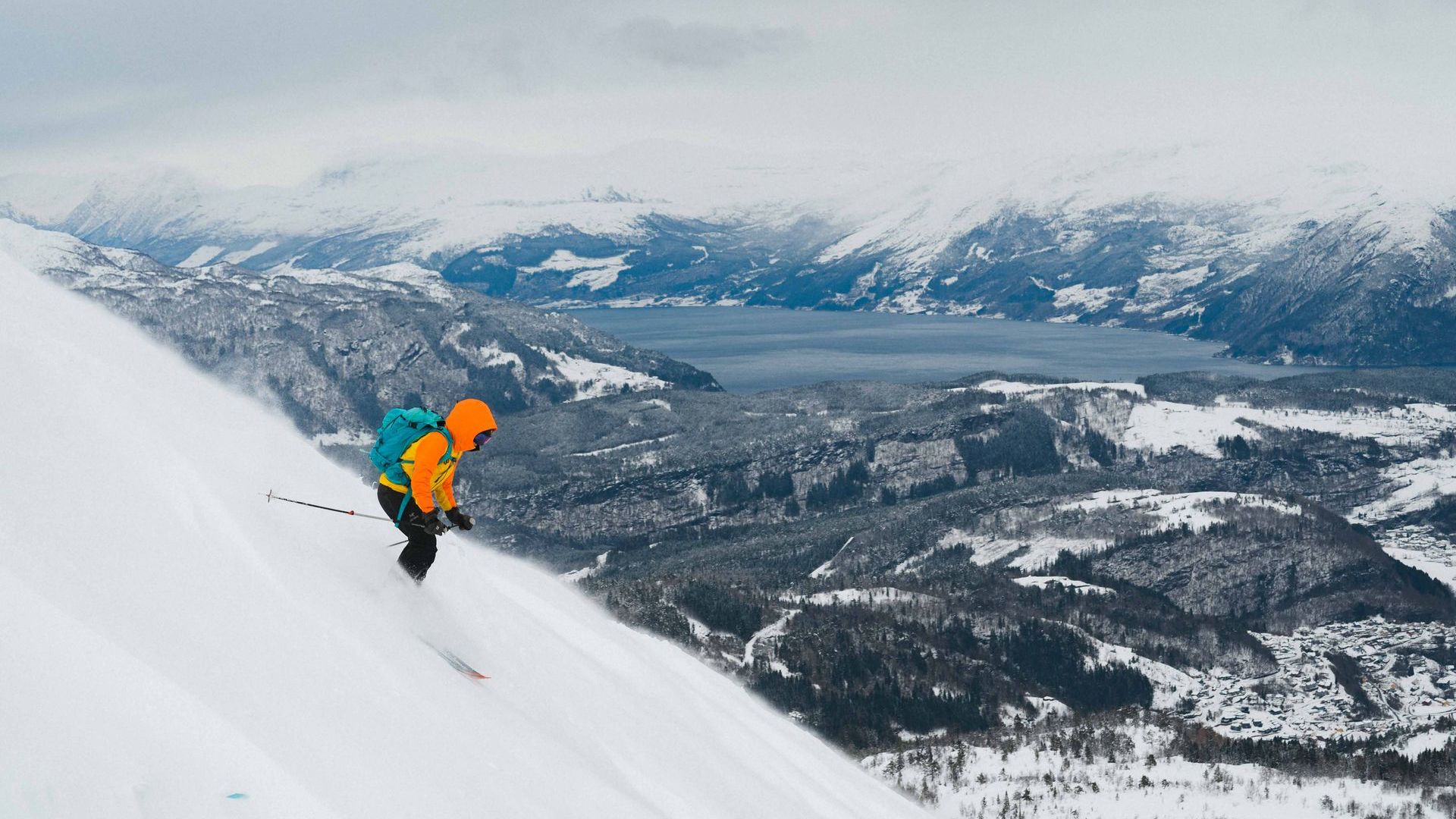
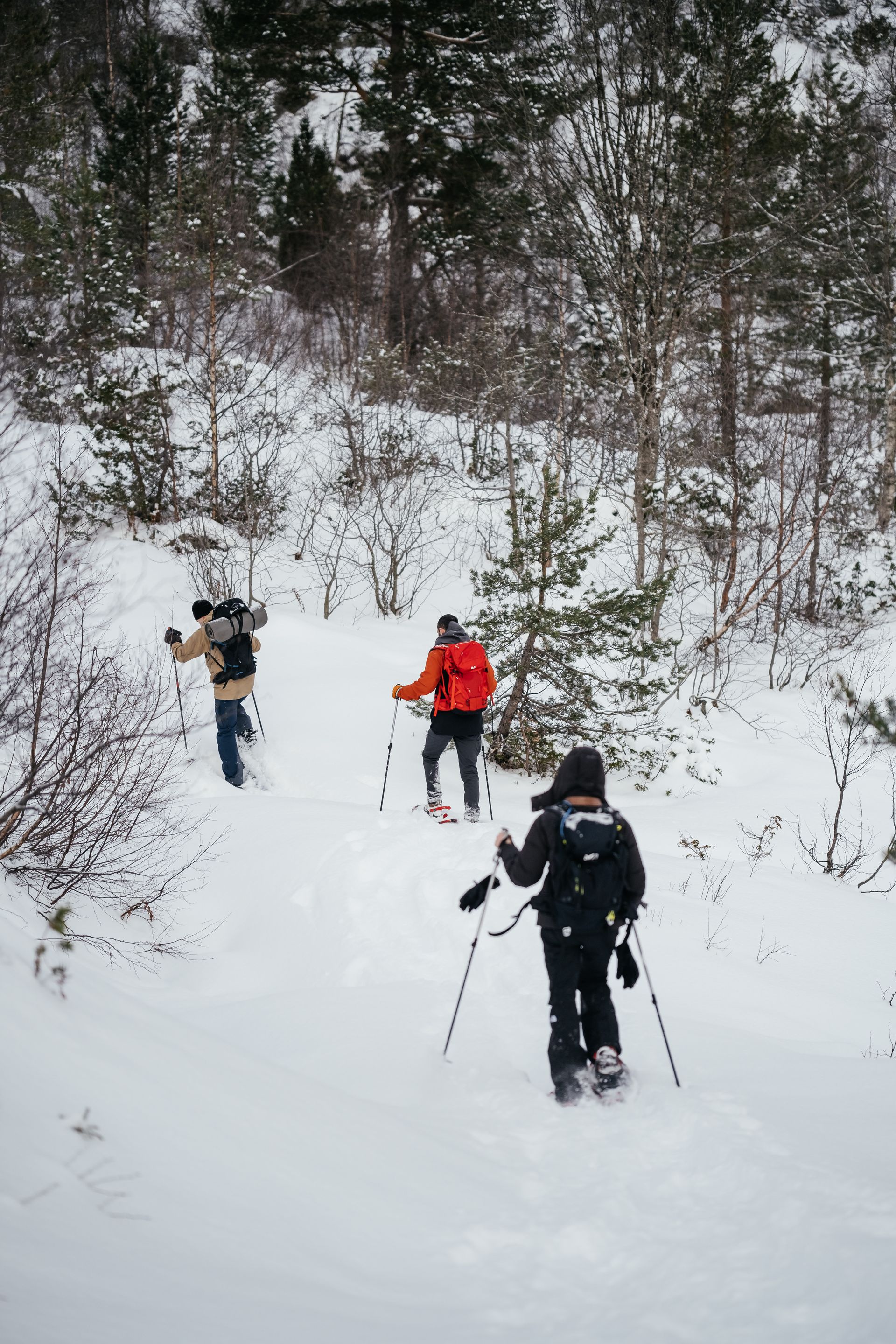
winter, snowy fjords, dramatic light and quiet waters set the stage for deeper connection, reflection and unique outdoor experiences.
Each season shapes not just what you see — but how you feel the fjord.

EXPLORE BY SEASON
Summer in the Hardangerfjord
Long daylight hours, lush landscapes and calm fjord waters make summer the most popular season to visit Hardangerfjord. You’ll find everything from thrilling RIB fjord safaris to peaceful hikes off the beaten track.
Quick Facts - Summer
- Season: May – September/October
- Best months: May and September for dramatic contrasts; June–July for longest days
- Avg. temperature: 10–25 °C
- Daylight: Up to 18–20 hours
- What to wear: Light layers, waterproof jacket, sturdy shoes
- Booking tip: Peak months (July/August) book out early — reserve 2–3 months ahead

Winter in the Hardangerfjord
Winter is the fjord’s secret season — quieter and more dramatic than you might expect. Crisp air, snow-tipped peaks and mirror-still waters create unforgettable contrasts. With smaller groups and personalised tours, winter reveals a different kind of adventure.
Quick Facts - Winter
- Season: November – April
- Best months: Christmas to early April
- Avg. temperature: –5 °C to +5 °C near the fjord
- Daylight: 6–9 hours
- What to wear: Warm layers, wool base, waterproof outerwear, gloves & hat
- Booking tip:
Winter tours have limited capacity — check snow and weather conditions when booking

Planning and booking tips
- Book early for Summer: July and August are the busiest months.
- Stay flexible in Winter: Weather and daylight vary
- Don’t miss Shoulder Seasons: April, May, September and October offer dramatic scenery, quieter paths and excellent photography light.
These months blend the best of both worlds.
What to pack
Summer:
Breathable layers, rain protection, hiking shoes
Winter: Wool base layers, insulated outerwear, waterproof gear, spare socks
Safety and weather
Our guides monitor local forecasts closely. If conditions are unsafe, we’ll offer an alternative date or a full refund.
Common Questions - FAQ
1. Which months are the best for RIB Fjord Safaris?
In general May – September offer the best weather and calm fjord conditions.
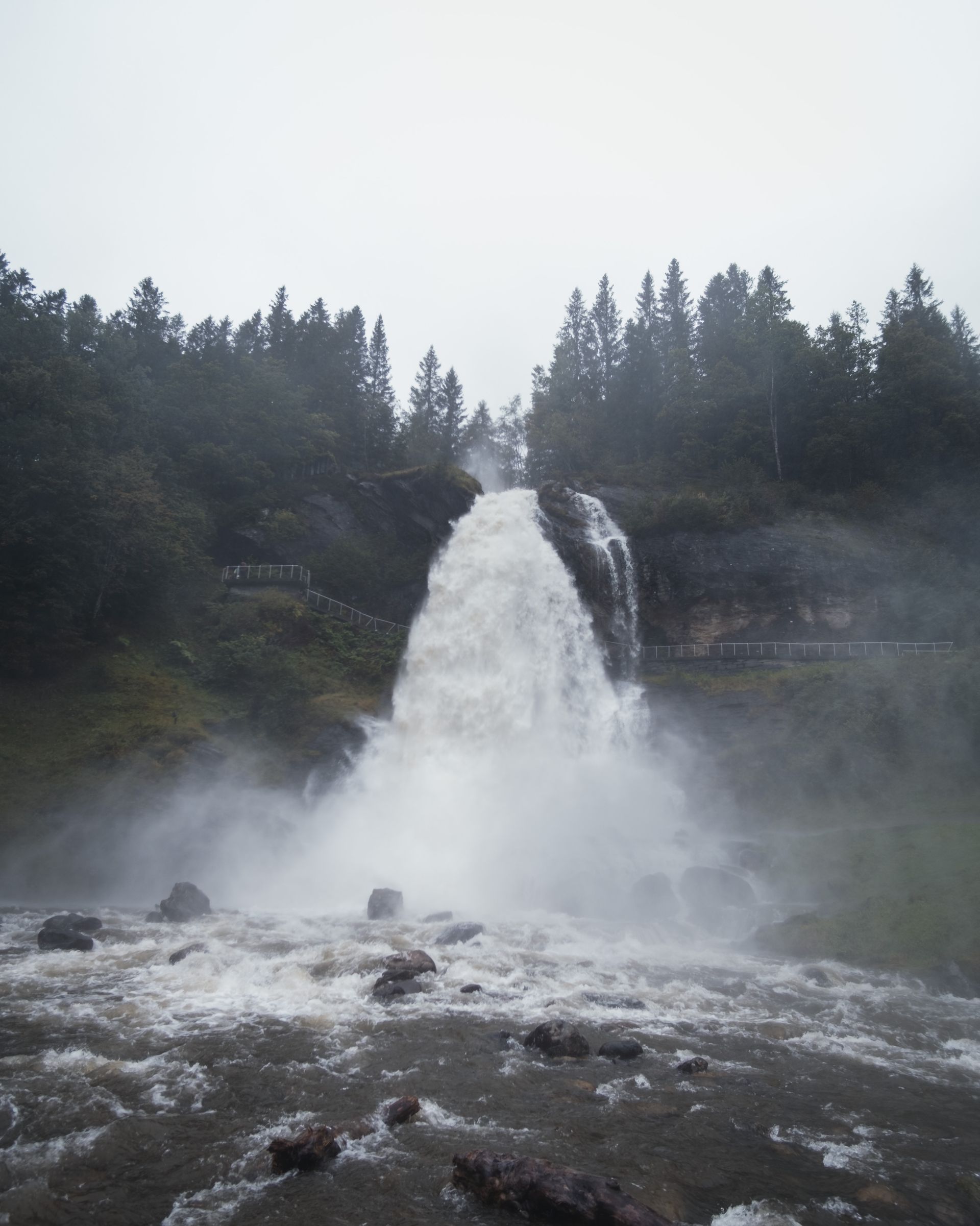
The snow-melting period in May and early June offers guaranteed cascading waterfalls. On and after days with heavy rain the waterfalls are at their biggest!
The September - October and May offers the biggest contrast in nature.
The snowy months (particularly February- March) offers frozen waterfalls and sometimes frozen fjord water.
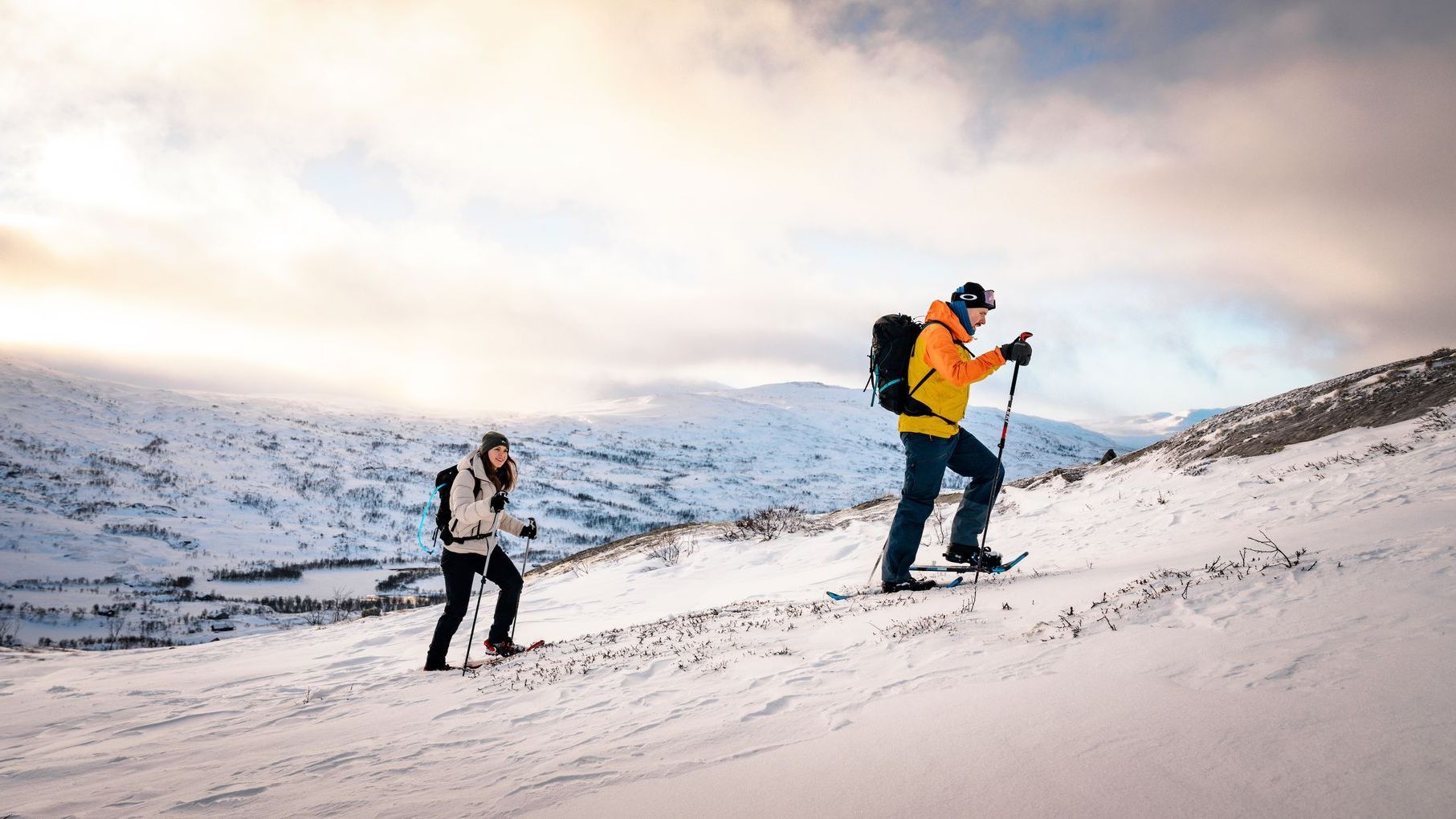
2. Is snowshoeing available every winter?
The winters in the western part of Norway vary a lot from year to year, but in general the are conditions for snowshoeing every winter.
3. Are tours cancelled if weather is bad?
In the Hardangerfjor we have a lot of changing weather. Our local guides always analyze the forecasts, and if it not safe the tours will get cancelled. You’ll get the choice of rescheduling or a full refund.
4. What should I wear for each season?
Summer: breathable layers, wind/rain jacket, sneakers or hiking shoes.
Winter: wool base layer, insulated outerwear, hat, gloves, warm socks. Waterproof jacket for rainy or snowy days.