
The Best Time to Explore the Waterfalls of the Norwegian Fjords
Discover the Best Time to Explore the Norwegian Waterfalls

The majestic Norwegian fjords are home to some of the world’s most spectacular waterfalls. They cascade down steep mountainsides, plunge into deep fjords, and shape the landscape in dramatic ways. Whether framed by lush green valleys or stark winter scenery, waterfalls are among Norway’s most powerful natural attractions.
Although waterfalls are impressive throughout the year, the best time to explore them is during May and June. As mountain snow melts, rivers swell with glacial water and waterfalls reach their most powerful and dramatic state. Rainy days in other seasons can also create impressive surges, while winter transforms many waterfalls into striking ice formations, frozen in time.
Hardangerfjord - A Paradise for waterfall enthusiasts
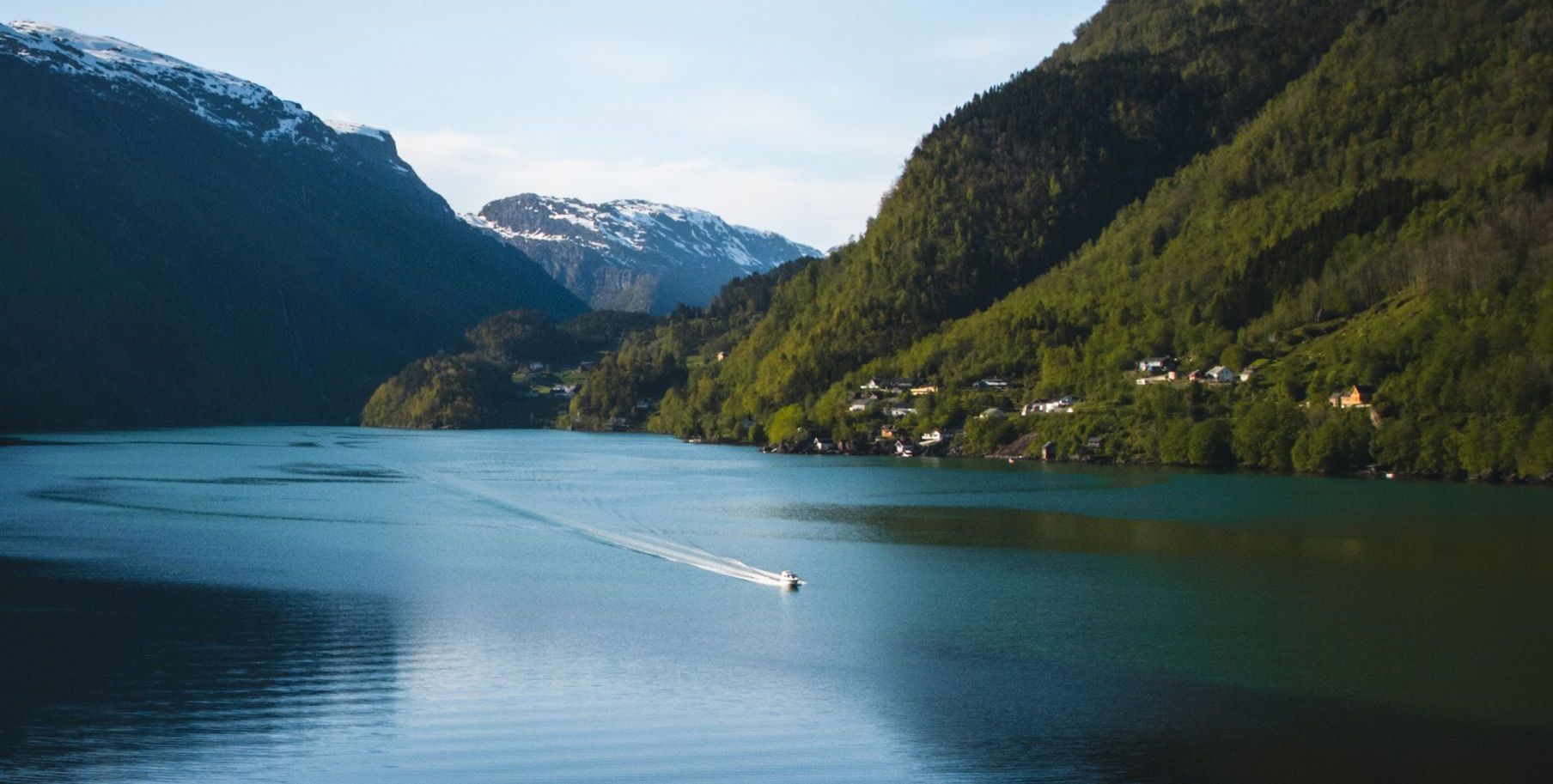
Among Norway’s fjords, the Hardangerfjord stands out as a true waterfall destination. The region offers a rare combination of famous, easily accessible waterfalls and hidden cascades tucked away in quiet valleys and roadless fjord branches.
Here, powerful waterfalls are set against fruit orchards, glaciers, steep cliffs, and deep fjords. Combined with rich cultural landscapes and small fjord villages, Hardangerfjord is an ideal destination for travellers who want both iconic sights and authentic nature experiences.
Highlights of the Hardangerfjord waterfalls

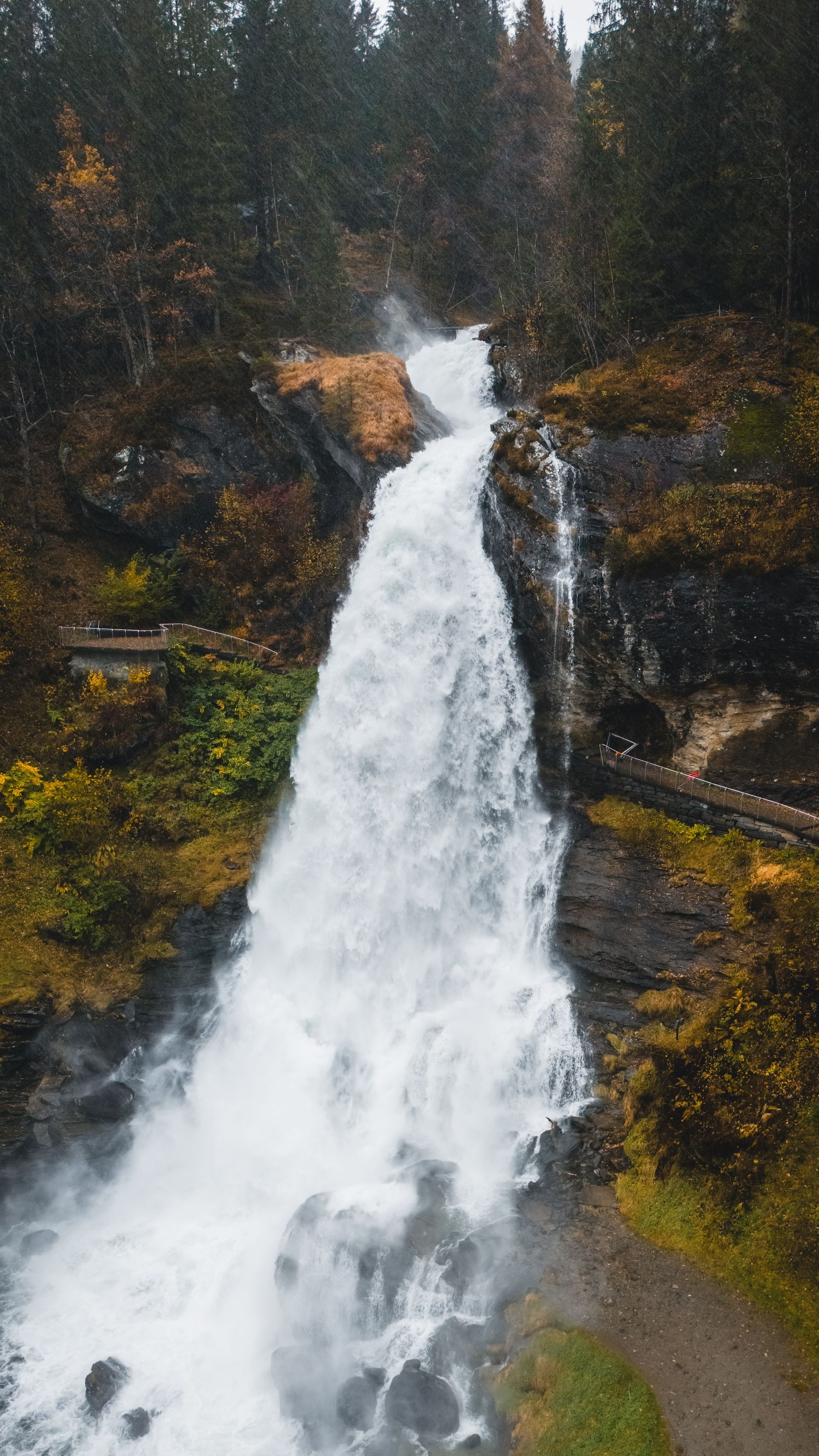
Steinsdalsfossen - Near Norheimsund
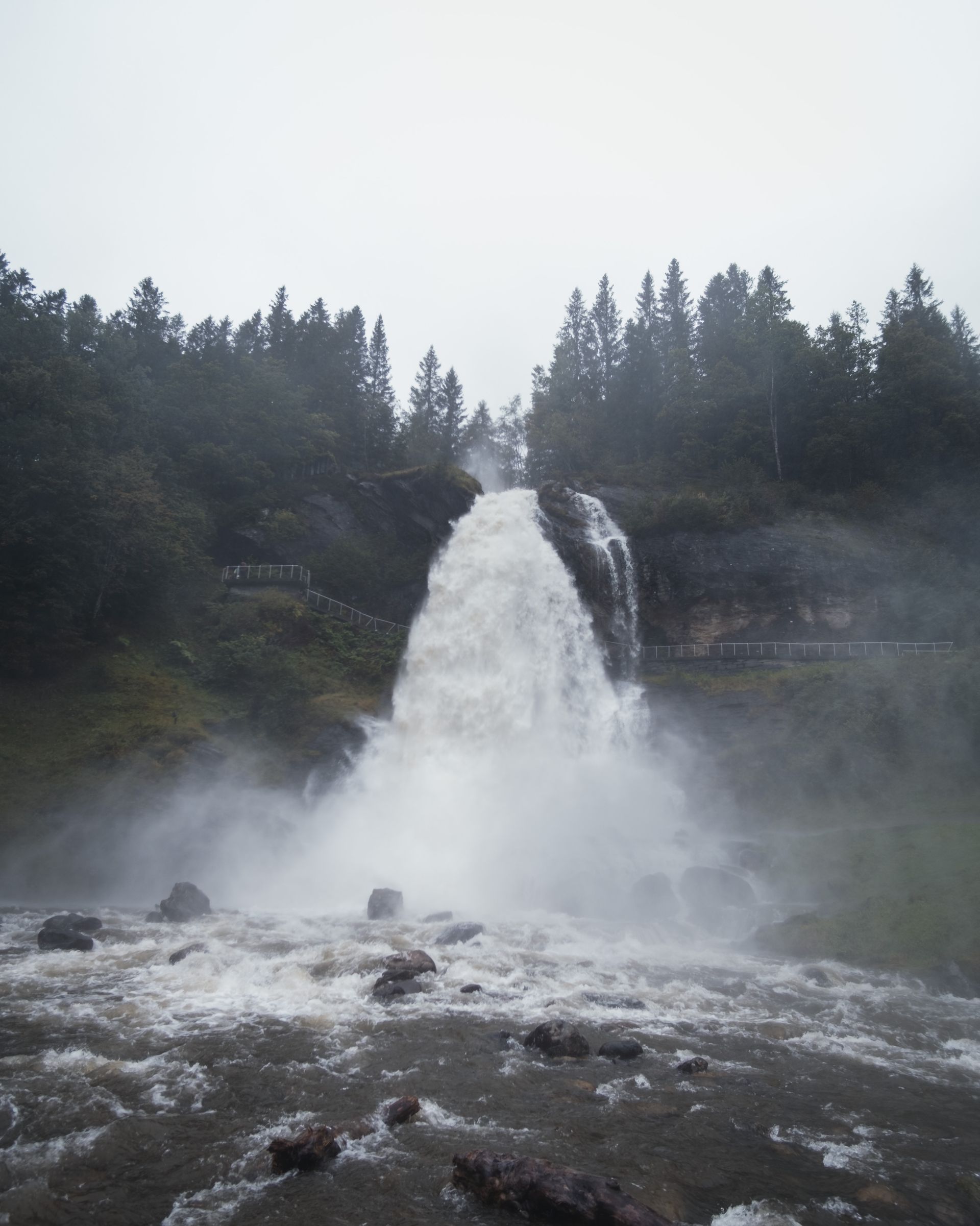
Located just outside Norheimsund along the main road from Bergen, Steinsdalsfossen is one of Norway’s most visited waterfalls. What makes it unique is the stone path that allows visitors to walk behind the cascade without getting wet, offering a rare and immersive perspective.
During May and June, snowmelt feeds the waterfall, creating a powerful and thunderous flow that is perfect for photography and close-up exploration. On heavy rainy days, Steinsdalsfossen becomes even more dramatic, with increased water volume and raw force.
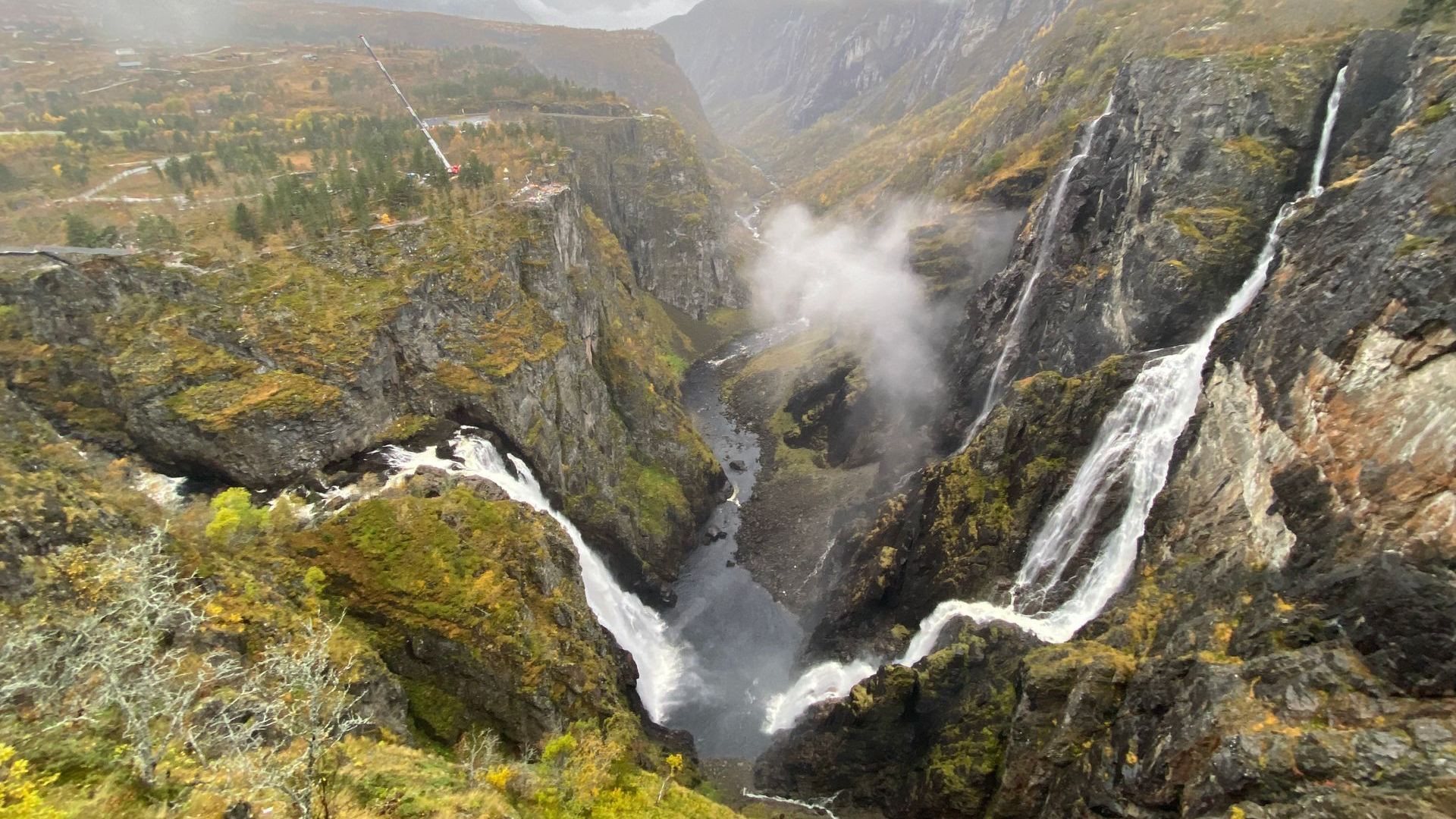
Vøringsfossen - Måbødalen, Eidfjord
One of Norway’s most iconic waterfalls, Vøringsfossen plunges 182 metres into the dramatic Måbødalen valley near Eidfjord. Easily accessible from the main road between Oslo and Bergen, it is a must-see for anyone visiting the region.
Late spring and early summer are especially striking, as increased water flow amplifies the waterfall’s scale and sound. Viewing platforms and bridges offer spectacular perspectives into the deep gorge below.


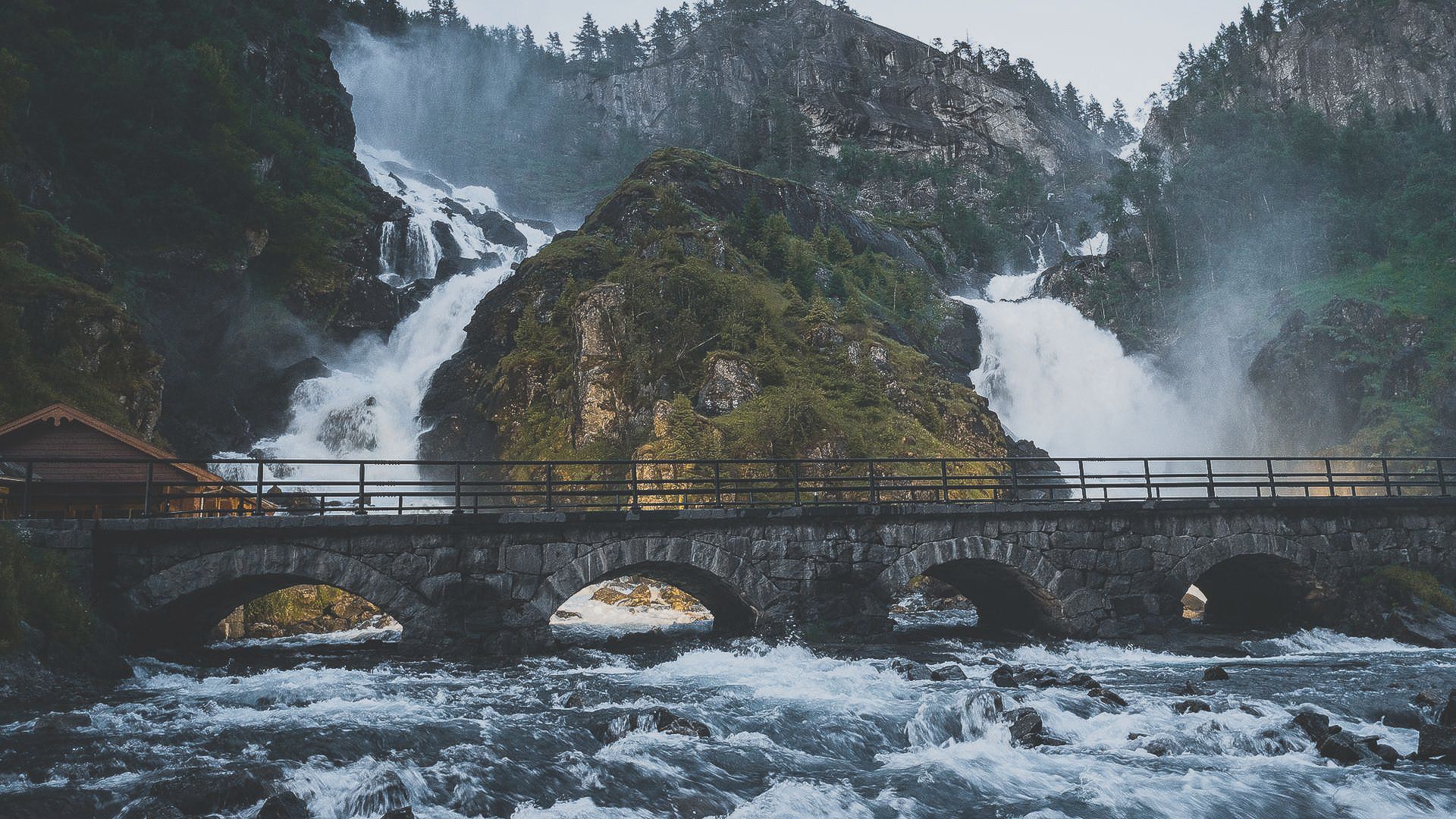
Låtefossen - Oddadalen valley, Odda
Known as the “Twin Falls,” Låtefossen is a double waterfall located along the main road in Oddadalen valley, south of the Hardangerfjord. Its two parallel streams crash down the mountainside and pass directly beneath a historic stone bridge.
Late spring and early summer bring peak water flow, making Låtefossen particularly impressive. Its accessibility and sheer power make it one of the most photographed waterfalls in the region.
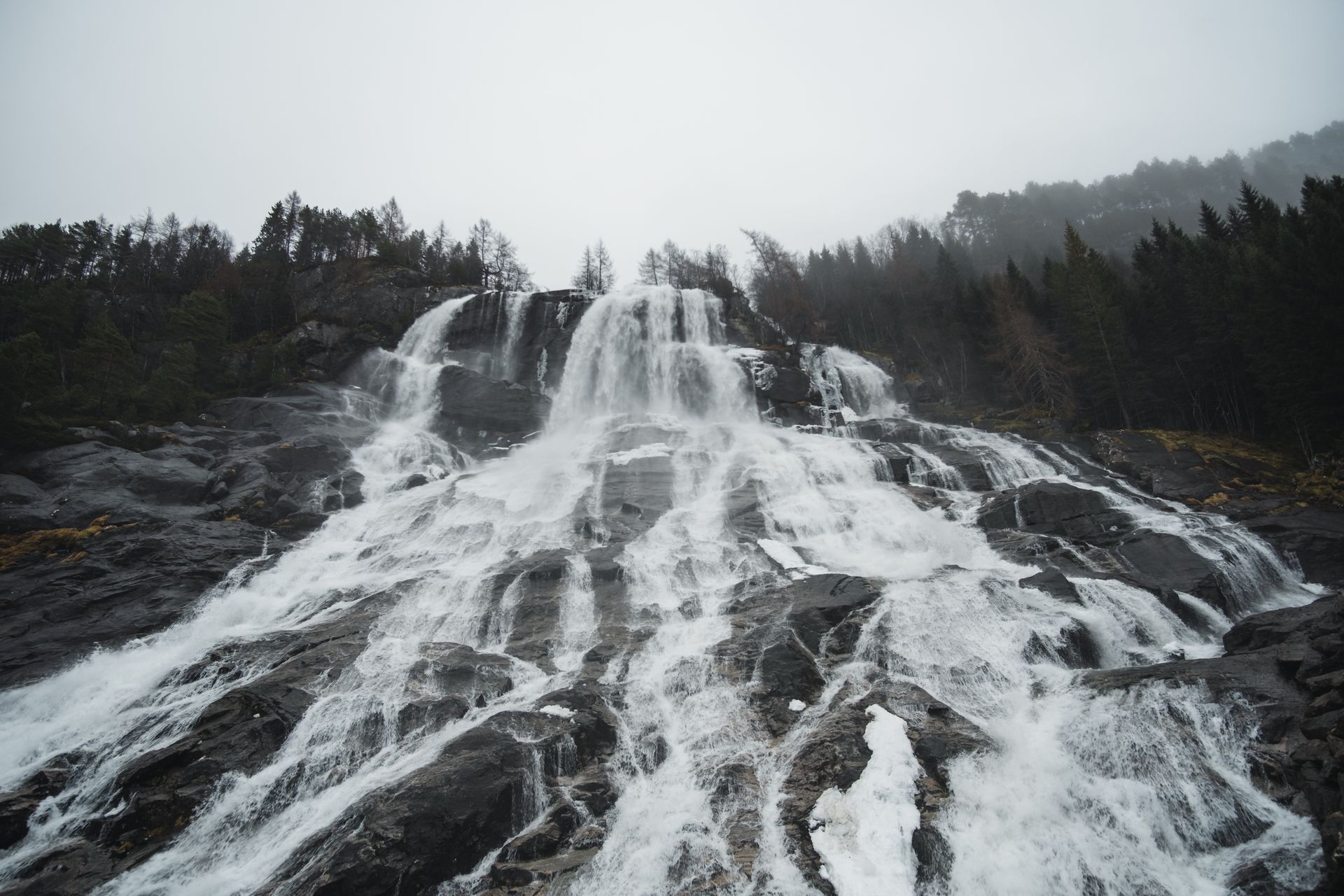
Furebergsfossen - Maurangsfjord
Nestled along the scenic fjord road between Ænes and Sundal, Furebergsfossen is a dramatic roadside waterfall that plunges directly into the fjord. During the snowmelt season in May and June, the waterfall transforms into a roaring cascade, fed by melting ice from the mountains above.
Its location, where water meets fjord, makes it one of the most striking waterfall views in Hardangerfjord.


Skjervsfossen - Granvin
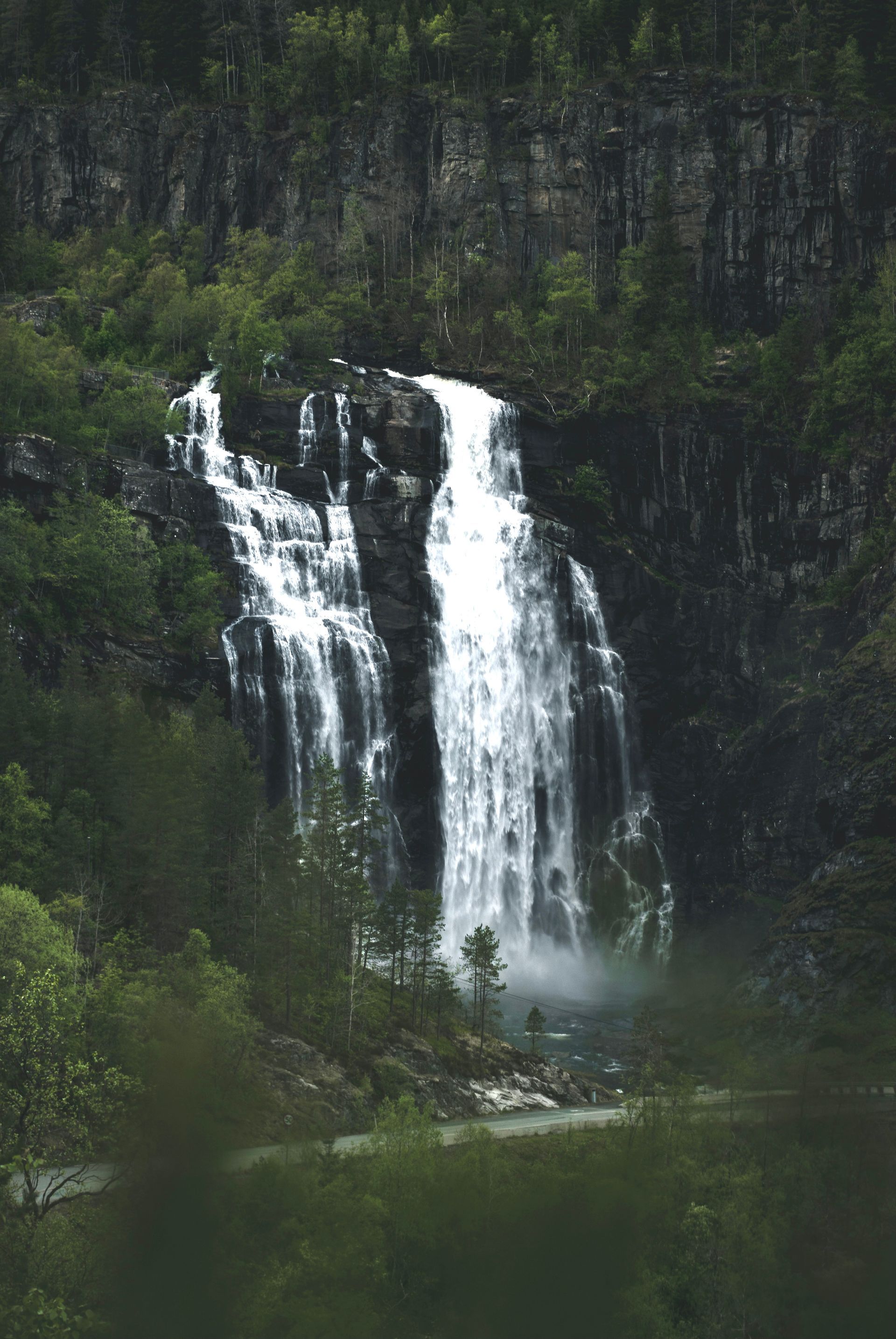
Located along the scenic mountain road between Voss and Hardangerfjord near Granvin, Skjervsfossen is one of western Norway’s most powerful roadside waterfalls. The river drops through a steep gorge in several dramatic cascades, and well-placed viewing platforms allow visitors to experience the waterfall safely and up close.
In late spring and early summer, snowmelt from the mountain plateau above feeds Skjervsfossen, turning it into a roaring and mist-filled spectacle. During periods of heavy rain, the waterfall grows even more intense, revealing the raw force of water rushing toward the fjord below.
Hidden Gems – Exploring Lesser-Known Waterfalls
Husedalen Waterfalls – Kinsarvik
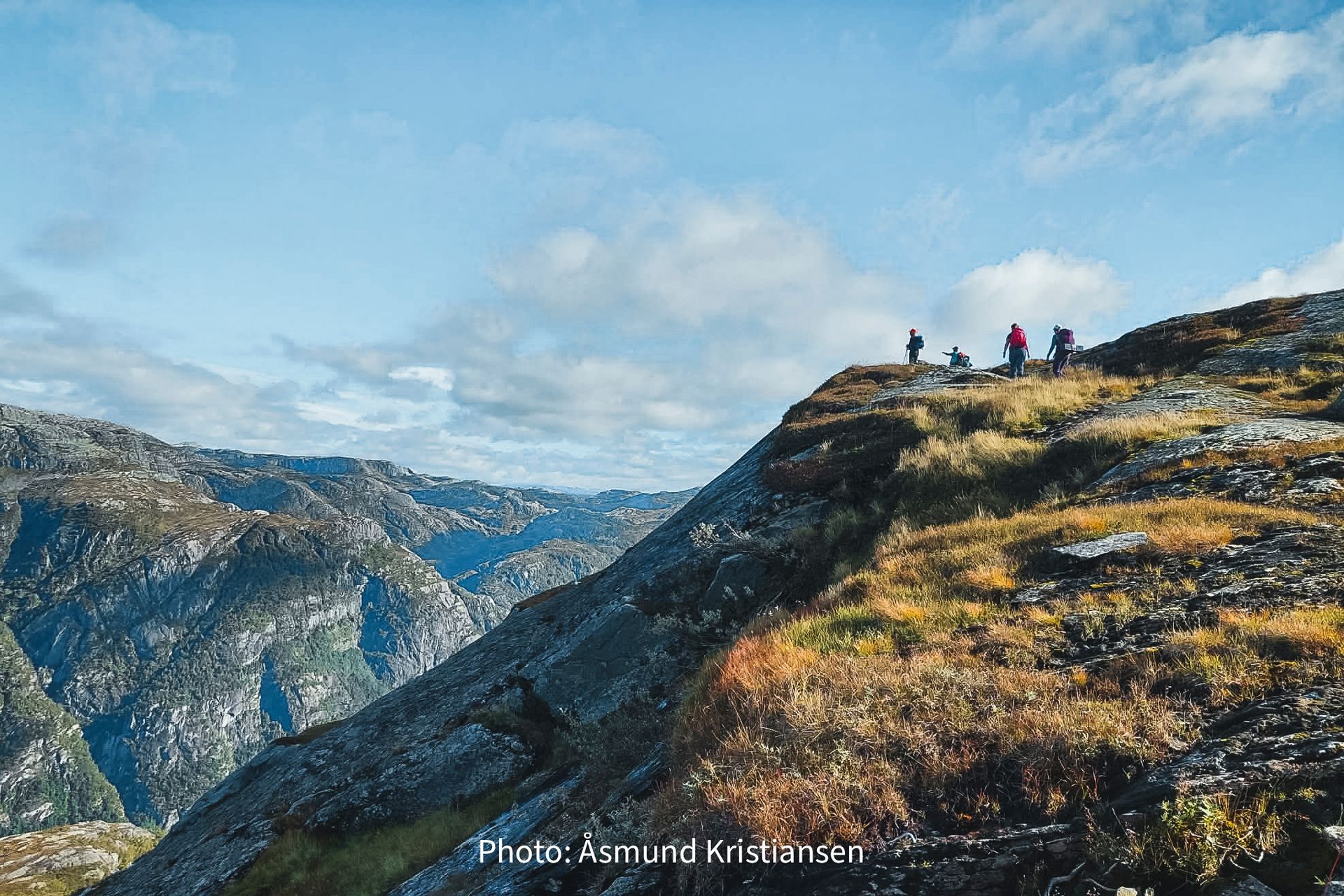
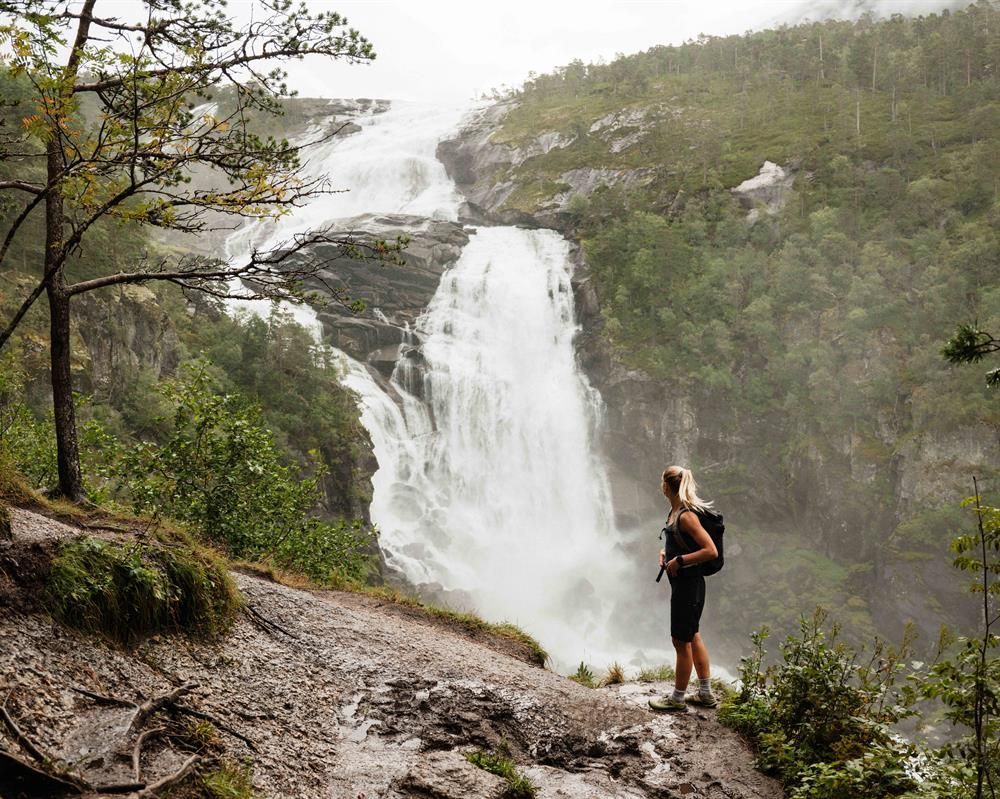
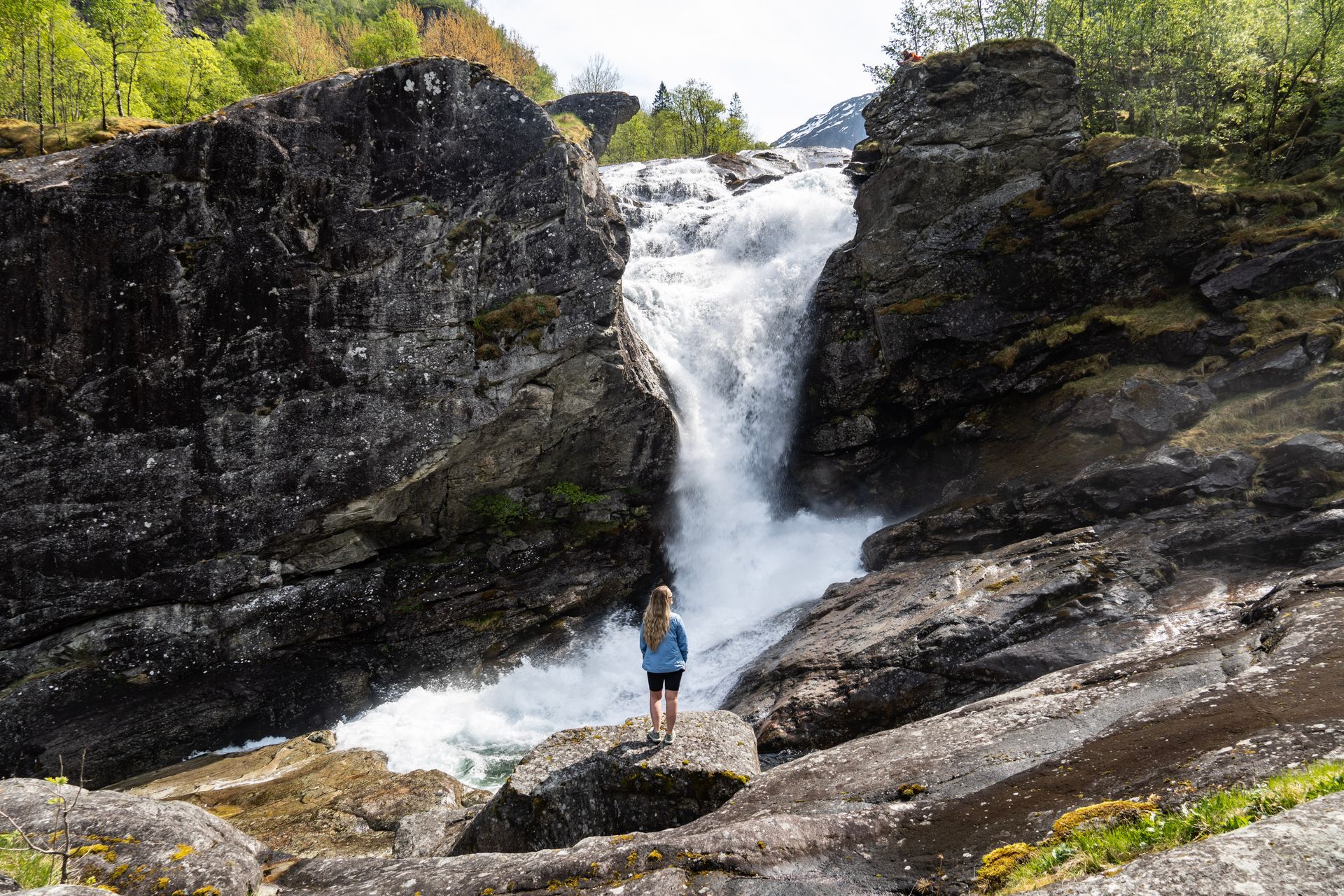
For travellers who enjoy hiking and dramatic landscapes, the waterfalls of Husedalen Valley near Kinsarvik offer one of Hardangerfjord’s most rewarding nature experiences. A well-marked trail follows the river through a steep valley, leading to four impressive waterfalls in succession: Tveitafossen, Nyastølsfossen, Nykkjesøyfossen, and Søtefossen.
The waterfalls are at their most powerful during the snowmelt season in late spring and early summer, when meltwater rushes down from the high mountains above. The hike is moderately demanding, but the combination of roaring waterfalls, lush vegetation, and changing viewpoints makes Husedalen a memorable experience throughout spring, summer, and early autumn.


Røykjafossen – Osa, Ulvik
For travellers seeking a quieter experience, Røykjafossen in Osa, Ulvik municipality, is a true hidden gem. Reached by an easy hike of around 15 minutes from the parking area, the waterfall lies in a peaceful valley surrounded by untouched nature.
Røykjafossen is at its most powerful during the snowmelt season, but remains a rewarding visit throughout spring, summer, and early autumn.
Fyksesund Waterfalls – Roadless and Remote
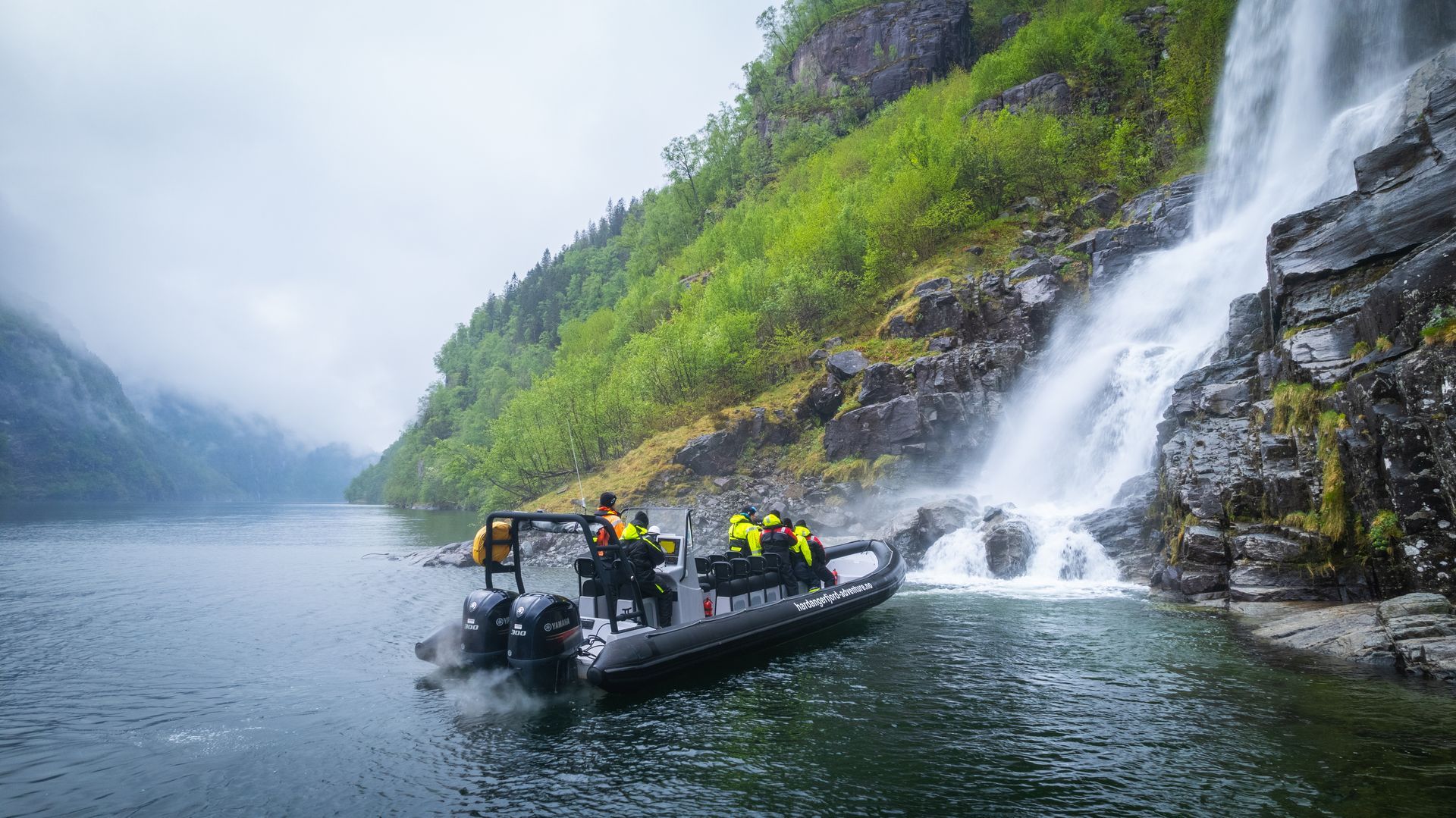
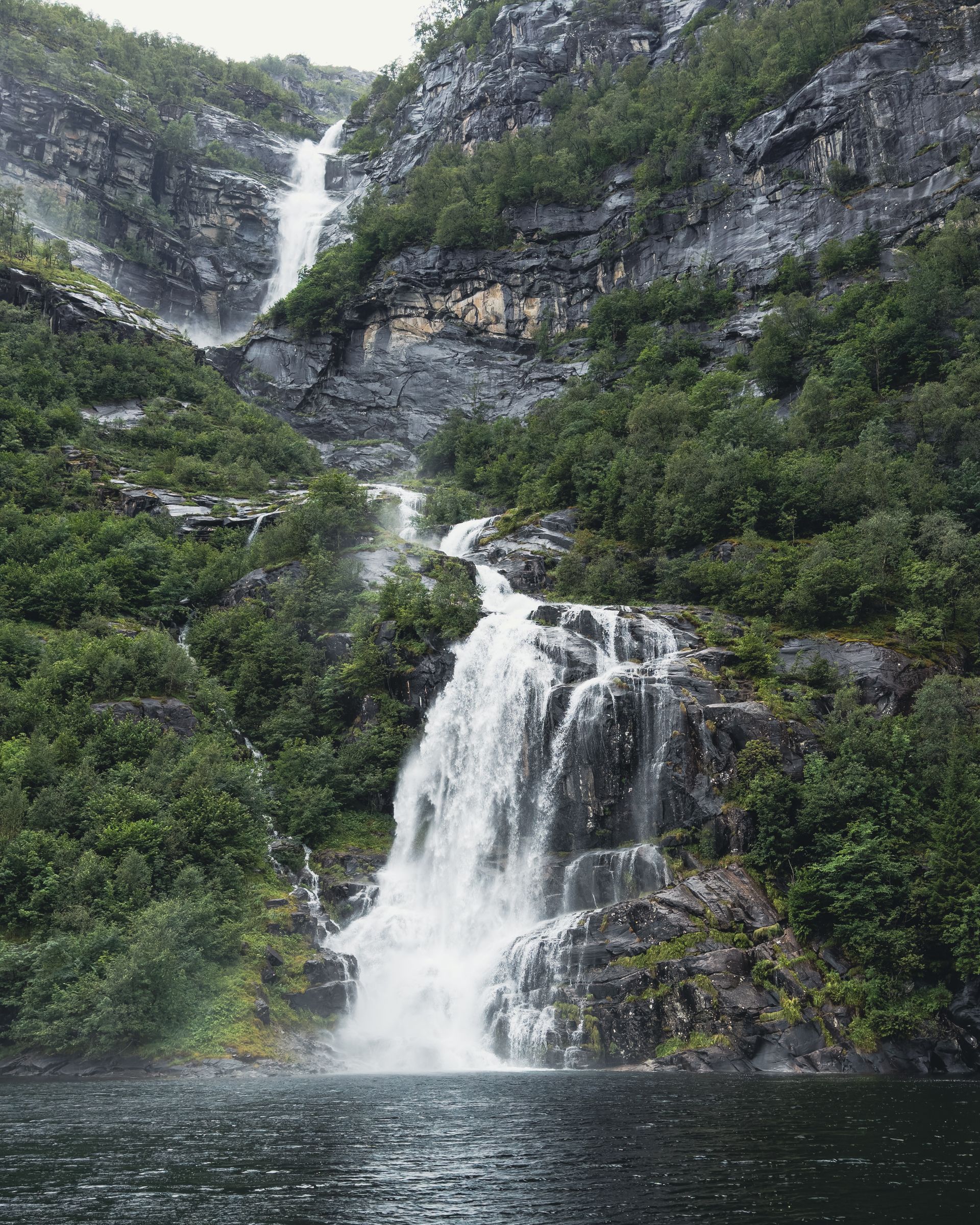
Fyksesund is a narrow, roadless branch of the Hardangerfjord, accessible only by boat or kayak. Its steep cliffs are lined with numerous unnamed waterfalls that tumble directly into the fjord, especially during spring and after rainfall.
This untouched fjord landscape offers one of the most pristine waterfall experiences in the region. The only way to explore these hidden cascades is from the water.
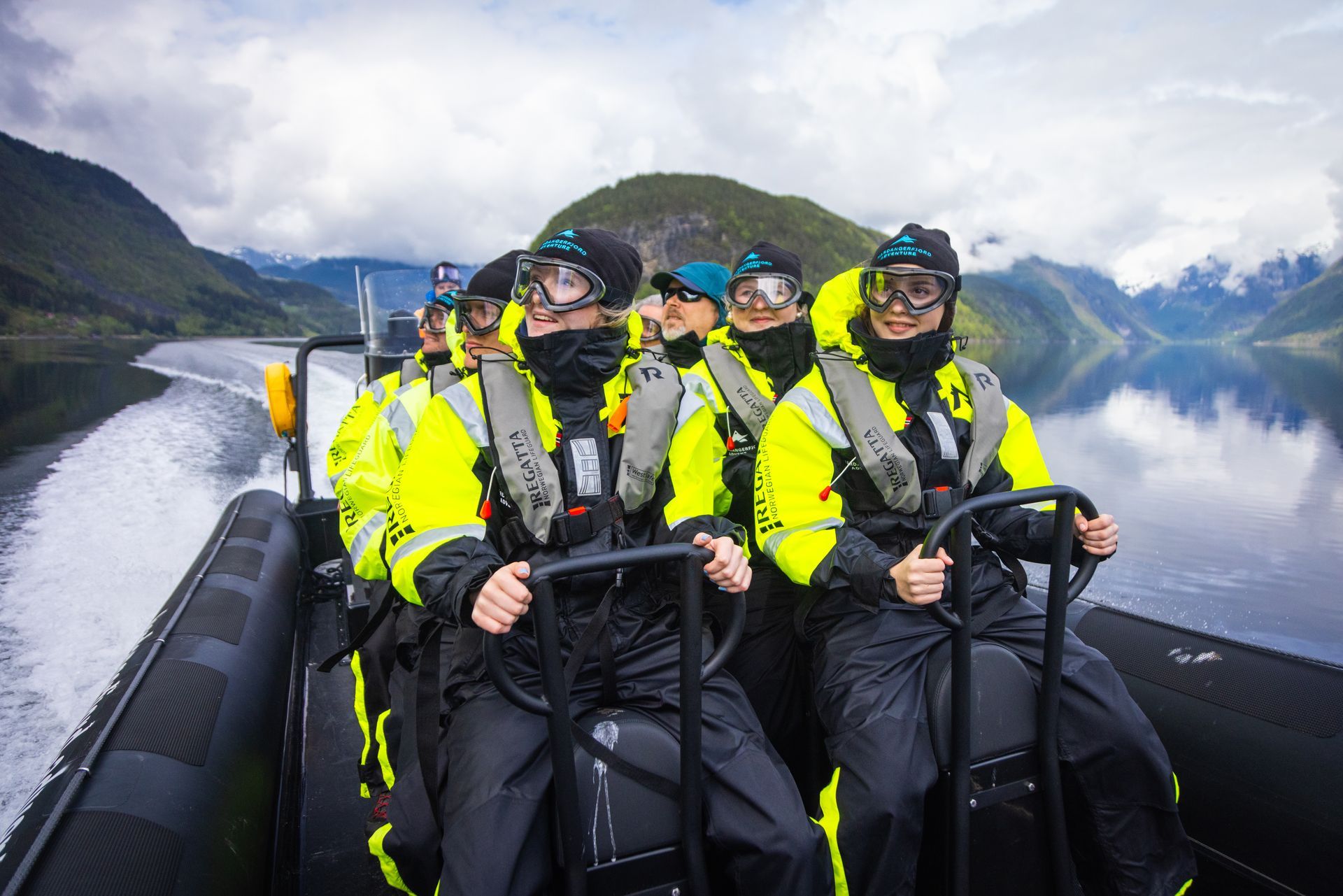
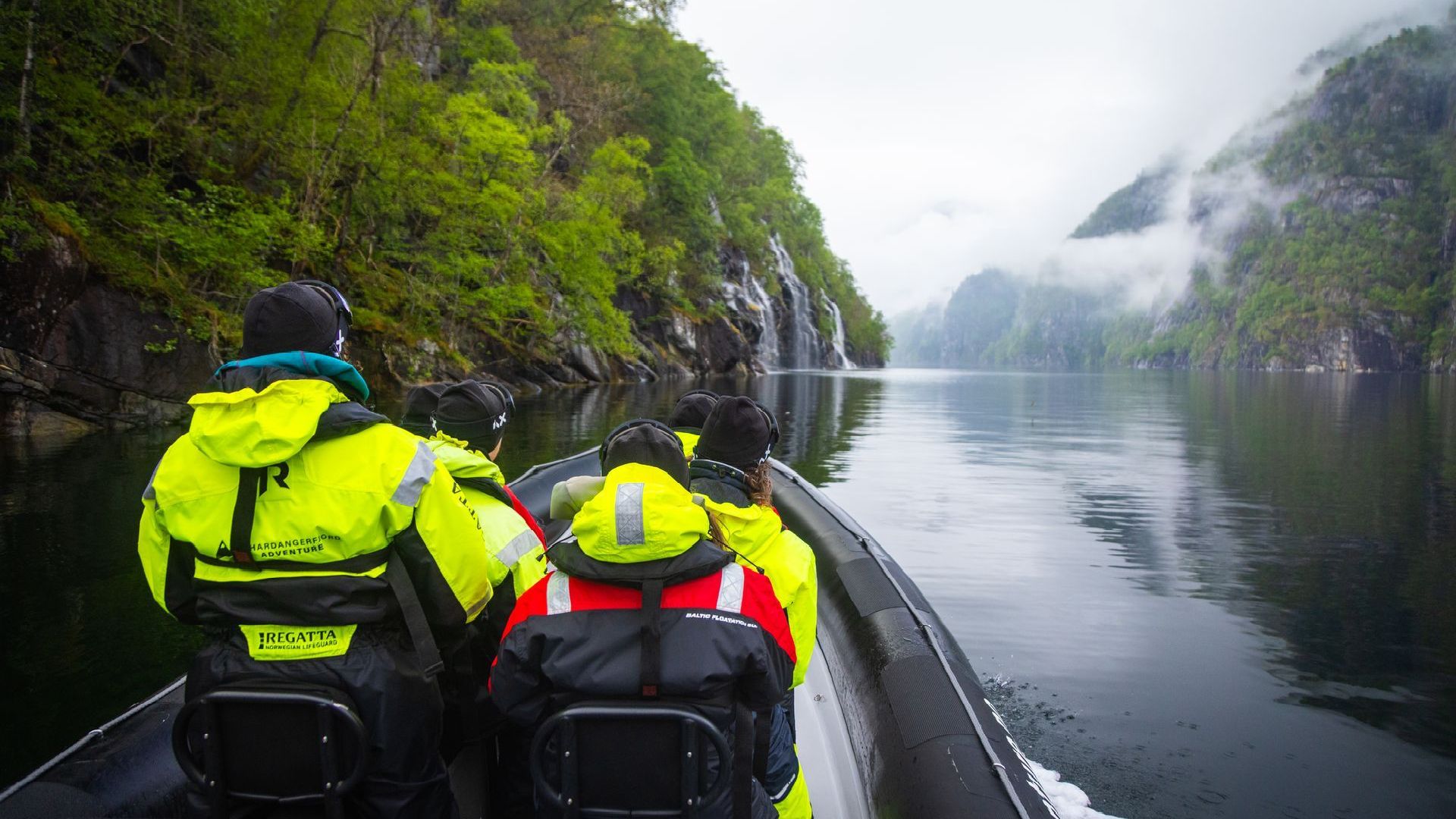
Hardangerfjord Adventure’s RIB safaris from Norheimsund and Øystese take you deep into Fyksesund, allowing you to experience the waterfalls up close, surrounded by silence, steep mountains, and raw nature.

Our RIB RIB safaris to Fyksesund
The Best Months to Explore Waterfalls in the Hardangerfjord
May and June mark the snowmelt season in the Norwegian fjords. As mountain snow melts, waterfalls grow larger, louder, and more powerful. Fresh green landscapes and longer daylight hours create ideal conditions for hiking, sightseeing, and photography.
May is also the time of fruit blossom in Hardangerfjord, often called Norway’s fruit garden. Apple, cherry, pear, and plum trees bloom across the region, creating a colourful contrast to the roaring waterfalls.
But When Are the Waterfalls at Their Biggest?
Outside the coldest winter months, periods of heavy rain can create the most dramatic waterfall conditions of all. During intense rainfall, rivers swell rapidly and waterfalls expand to their most massive and powerful state.
These moments reveal the fjords’ raw natural force. While winter may freeze waterfalls into ice sculptures, rainy days in spring, summer, and autumn bring them fully alive, offering an awe-inspiring experience that rivals the snowmelt season.